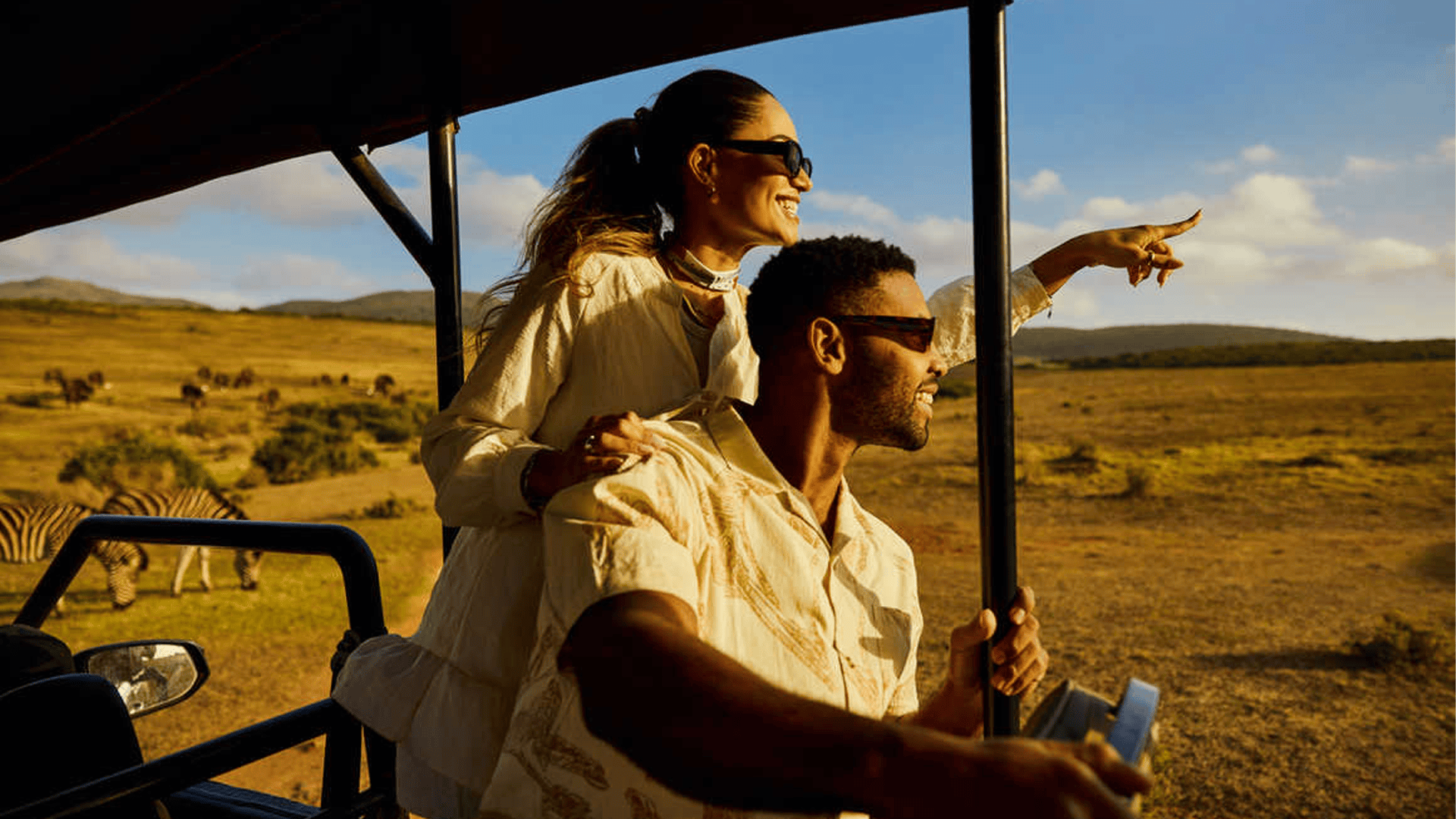
The mistake most first-time planners make with the Serengeti is treating it as one place. It isn’t. The park covers nearly 15,000 square kilometers, the size of a small country, and the safari you get in the southern calving plains in February has almost nothing in common with the one at the Mara River crossings in September, three hundred kilometers north. Book the wrong region for your month, and you can miss the very spectacle you flew in for.
This guide breaks the Serengeti into its working parts: the four regions and when each one peaks, where to stay, how the park compares to the Maasai Mara next door, and how to time a trip that actually lands you in front of the action.
The Serengeti in brief
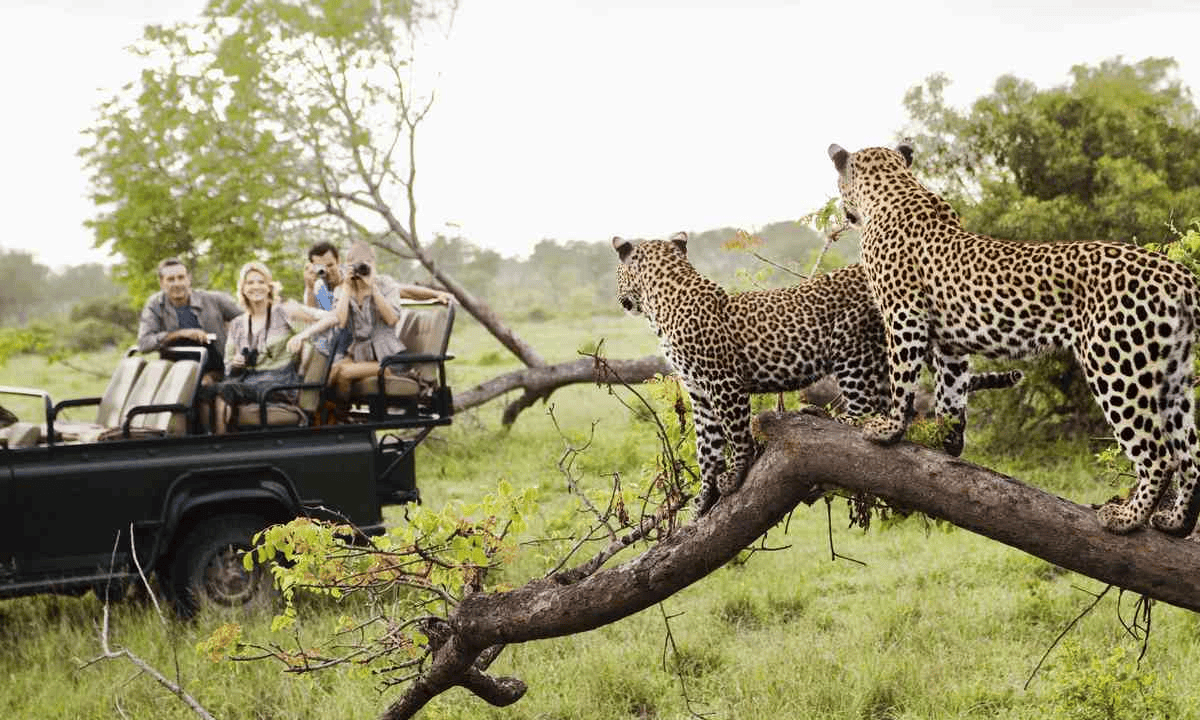
Tanzania’s oldest and most famous national park anchors an ecosystem shared with Kenya’s Maasai Mara across the northern border, and together they host the Great Migration: well over a million wildebeest plus hundreds of thousands of zebra and gazelle on a permanent circuit of the plains. But the migration is only half the story. The Serengeti’s resident wildlife (one of Africa’s largest lion populations, strong leopard and cheetah numbers, elephants, giraffes, and the full supporting cast) makes every region productive every month, which separates it from parks with a single short season.
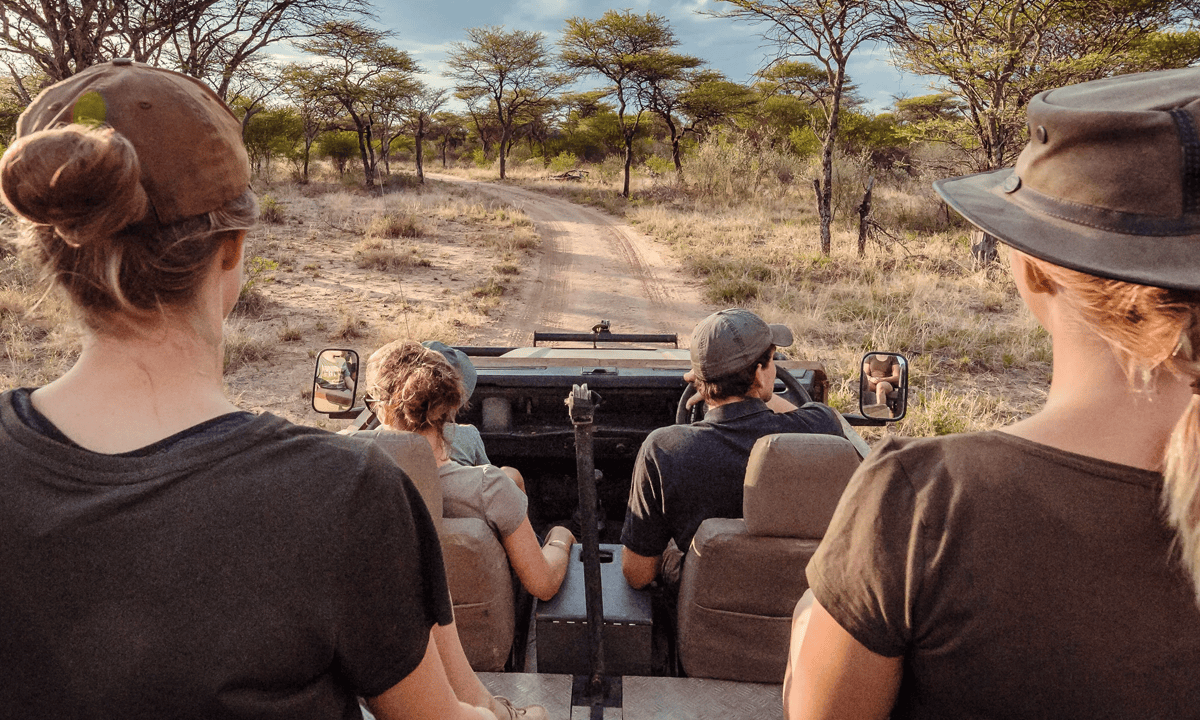
Access runs through Arusha and Kilimanjaro International Airport, then either a scenic drive through the Ngorongoro highlands or a light-aircraft hop to one of the park’s airstrips. Most itineraries pair the Serengeti with the Ngorongoro Crater and Tarangire on the classic northern circuit, the route our Best of East Africa tour follows through Tanzania.
The four Serengeti regions, and when each one peaks
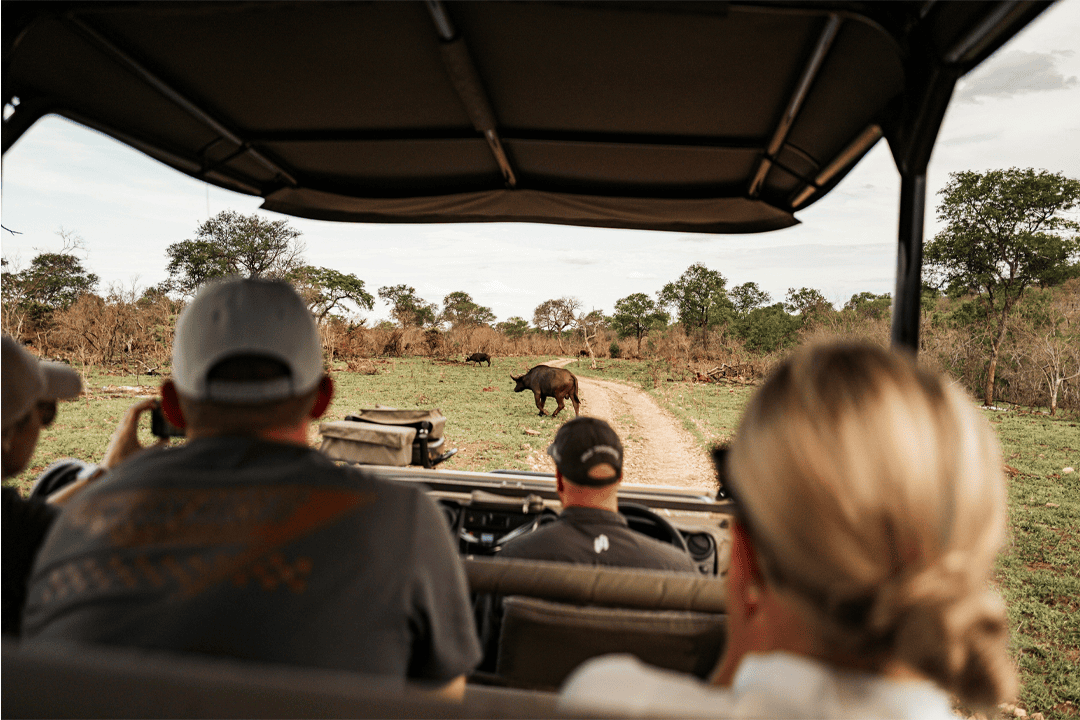
Central Serengeti (Seronera): the year-round engine. The Seronera Valley’s rivers keep resident game concentrated year-round, and it holds what many guides consider the most reliable leopard and lion viewing in Tanzania. It’s also the busiest region, with the most lodges and vehicles. If your dates don’t align with any migration chapter, Seronera is the answer: there is no bad month here.
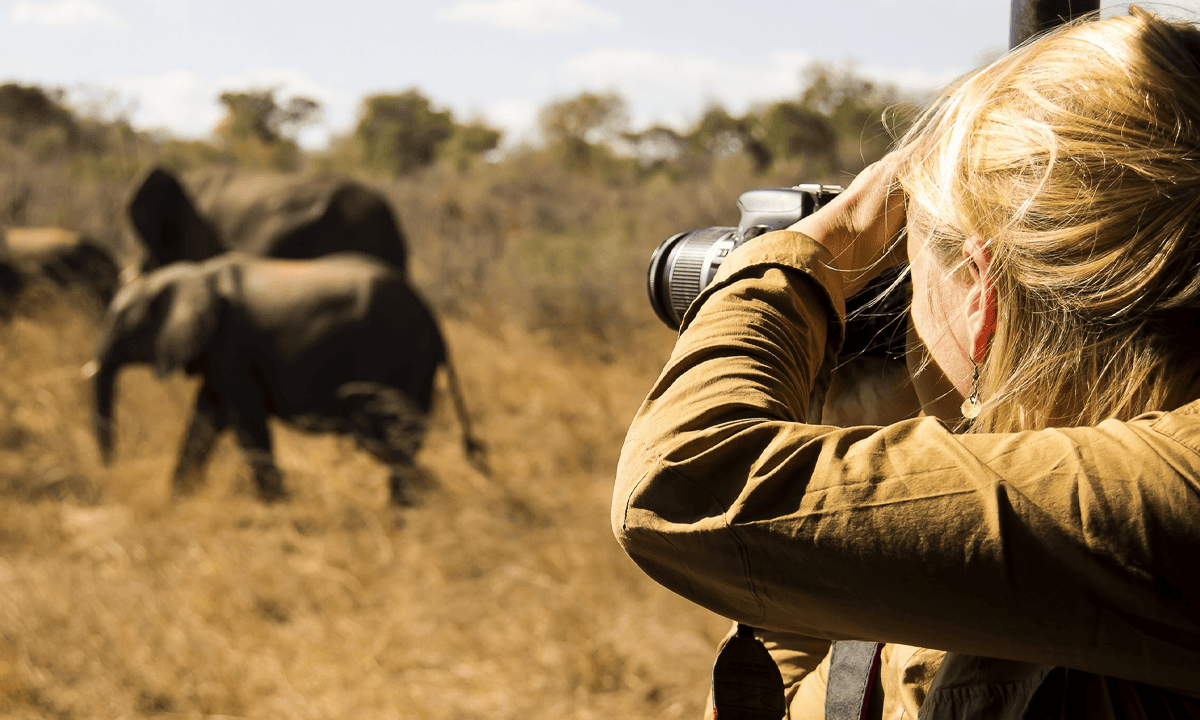
Southern plains and Ndutu: December to March, the calving season. The short-grass plains of the far south (straddling the Ngorongoro Conservation Area boundary) host the migration’s great birth: hundreds of thousands of wildebeest calves dropped in a compressed window, most within a few weeks around February. Predator response is the Serengeti’s most intense big-cat action of the year, with cheetahs in particular hunting in daylight on open ground. Green-season skies make it as much a photographer’s season as a naturalist’s.
Western Corridor and Grumeti: roughly May to July. As the plains dry, the herds funnel west and north, massing along the Grumeti River, where outsized crocodiles stage the year’s first river drama. The corridor is quieter than Seronera and the crossings less famous than the Mara River’s, which is exactly the appeal: big herds, real crossings, fewer vehicles.
Northern Serengeti (Kogatende and Lamai): August to October, the headline act. The Mara River crossings, the images everyone knows: thousands of animals piling down the banks into crocodile water, sometimes crossing and recrossing the same day. The north is remote, reached most sensibly by air, and its camps are fewer and pricier, but from August through early October this is the best place in Africa to witness a crossing, and notably less congested than the Kenyan side of the same river.
The planning rule that falls out of this: choose your month first, then your region, then your camp. A Serengeti itinerary that chases the wrong region for its dates is the most common expensive mistake in Tanzania travel. Our Great Migration guide maps the migration’s full circuit, including the Kenyan chapter, and is the right companion read for timing the loop as a whole.
Where to stay: the three camp models
Permanent lodges. Fixed properties, mostly in and around Seronera and the west: full facilities, pools, and the most accessible price points. The trade-off is location: they can’t move, so in crossing season a central lodge means long daily drives north.
Seasonal and mobile camps. The Serengeti’s signature: tented camps that relocate two or three times a year to shadow the migration, sitting in the south for calving and the north for the crossings. Proper beds, en-suite bucket showers, dining tents, and the sound of the herds at night. For migration-focused trips, a well-placed mobile camp beats a luxury lodge in the wrong region every time.
Premium permanent camps in the north. A newer tier of high-end camps holds year-round positions near the Mara River, trading mobility for polish. Superb in season, and priced accordingly.
Whichever model, the booking reality is the same: calving-season Ndutu camps and crossing-season northern camps sell out 9 to 12 months ahead. A balloon safari at dawn over the plains (launching near Seronera and in season elsewhere) is the classic add-on and worth pre-booking with the camp.
Serengeti or Maasai Mara?
The border question, answered honestly: it’s one ecosystem, and the animals don’t know the difference. The practical distinctions:
- Scale and remoteness: the Serengeti is roughly ten times the Mara’s size, which spreads vehicles thinner and makes fly-in logistics standard; the Mara is compact, denser in both game and traffic, and cheaper to reach from Nairobi.
- The migration calendar: the herds spend most of the year (November through July) on the Tanzanian side, including the calving season, and roughly July to October in Kenya. Crossings happen on both sides.
- Off-vehicle flexibility: Kenya’s private conservancies allow night drives and off-road driving that Tanzania’s national park rules don’t; inside the Serengeti proper, you stay on tracks and daylight hours.
- Cost: Tanzania’s park fees are higher, and comparable camps generally cost more than their Mara equivalents.
The short version: for calving, the Western Corridor, and sheer wilderness scale, the Serengeti; for compact big-cat density, conservancy flexibility, and July-to-October value, the Mara, whose own calendar we cover month by month in our guide to the best time to visit the Maasai Mara. The best answer, with time and budget, is the combined itinerary that follows the herds across the border.
Frequently asked questions
What is the best time to visit the Serengeti?
Every month works if you match the region: December to March in the south for calving, May to July in the Western Corridor, August to October in the north for the Mara River crossings, and Seronera year-round for resident big cats. The driest, most popular window overall is June to October; the green months of November to May trade some convenience for lower rates, dramatic skies, and the calving spectacle.
How many days do you need in the Serengeti?
Three nights is the working minimum for one region; four to five nights is the sweet spot, and a two-region split (south plus central in calving season, central plus north in crossing season) justifies six. Crossings in particular reward patience: the herds cross on their own schedule, and camps advise planning at least three nights in the north for a real chance.
Can you see the Big Five in the Serengeti?
You can reliably see four of the five (lion, leopard, elephant, buffalo) on a multi-day visit; lion viewing here is among the best on the continent. Rhino is the hard one: a small, heavily protected black rhino population means sightings are rare, and most itineraries solve it by adding the neighboring Ngorongoro Crater, the most dependable rhino stop on the northern circuit.
Is the Serengeti better than the Maasai Mara?
Neither is better; they’re the same ecosystem run under different rules. The Serengeti offers vastly more space, the calving season, and a wilder, more remote feel at a higher price; the Mara offers concentrated game viewing, conservancy flexibility, and easier access. Match the choice to your month and your budget, or combine them.
Planning your Serengeti safari
The Serengeti rewards precision: the right region for your month, a camp positioned for the action, and enough nights to let the drama come to you. Get those three right, and it delivers the greatest wildlife theater on Earth; get the region wrong, and you’ll watch it on someone else’s photos.
For how the park fits into the wider region’s routes and seasons, explore East Africa destinations, or reach out with your dates and we’ll tell you exactly which Serengeti you’d be getting that month, and where to sleep for it.