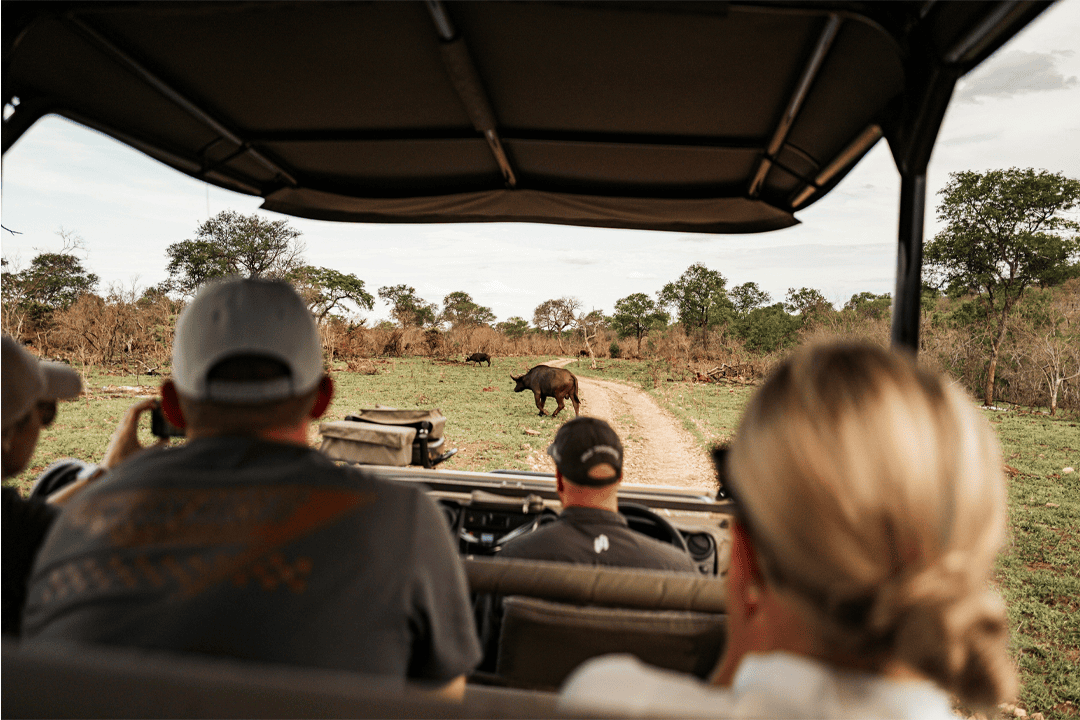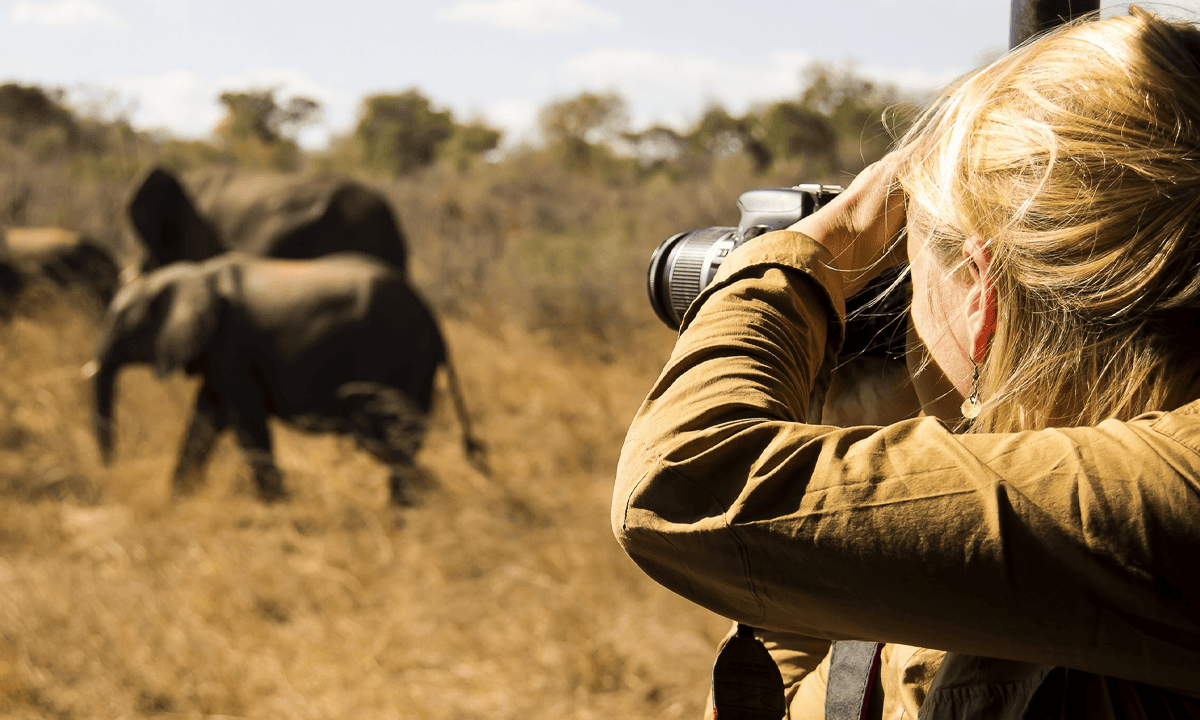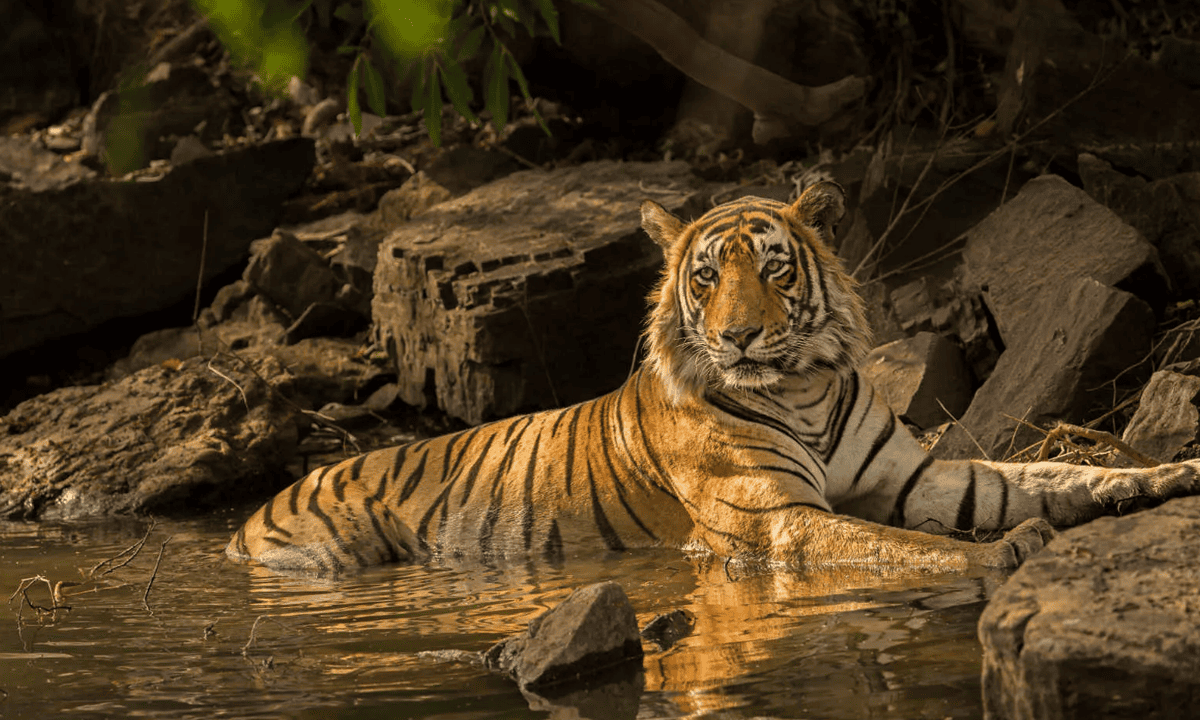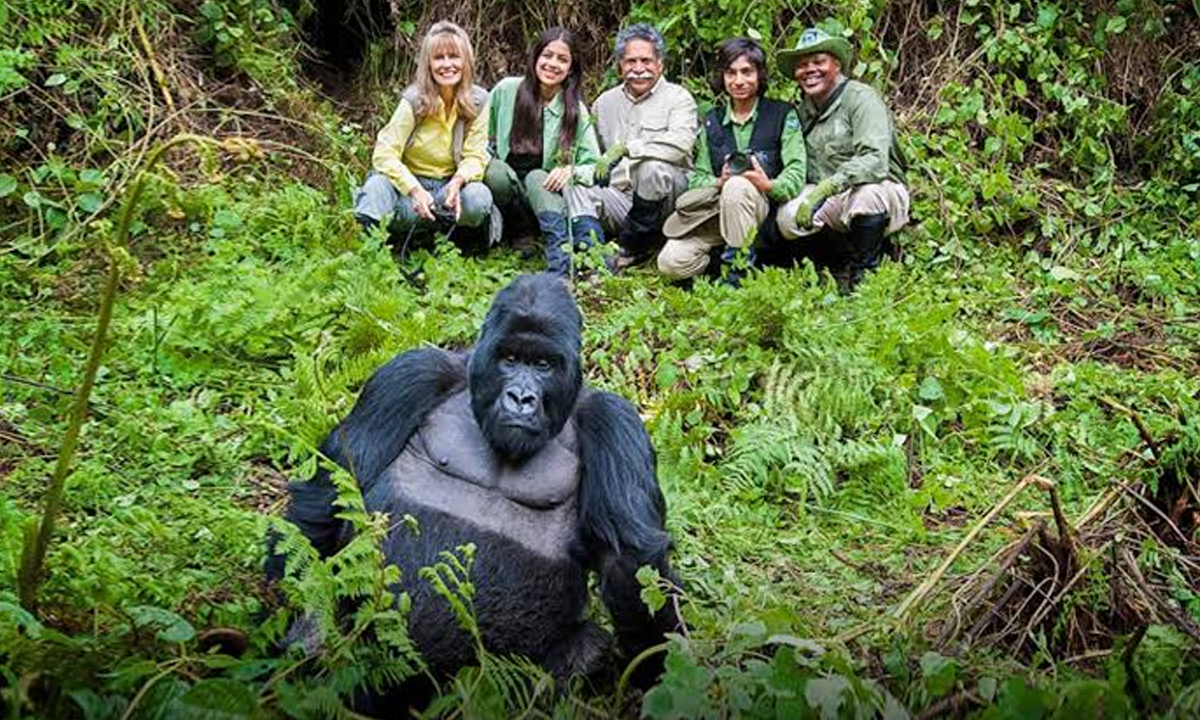
The Maasai Mara is one of those rare places where the answer to “when should I go?” genuinely depends on what you want to see. A migration river crossing in August is a completely different experience from a cheetah hunt across emerald-green plains in March, and both are extraordinary in their own way.
This guide walks you through the Mara month by month so you can match the timing to the trip you actually want.
The short answer
If you’ve only got time to absorb one recommendation: July through October is peak Great Migration season, and it’s the most popular window for a reason. The herds are in Kenya, the river crossings are happening, and predator activity is at its highest density of the year.
But peak season also means peak prices and peak vehicles at sightings. The green season (November to May) is dramatically cheaper, the landscape is photogenic in a way the dry months can’t match, and resident wildlife — lion, cheetah, leopard, elephant — is there year-round regardless of where the wildebeest are.
For a broader context on safari seasons across the continent, our guide to when to go on an African safari breaks down the dry and wet seasons by region.
Month-by-month Maasai Mara guide
| Month | Conditions | Wildlife Highlight | Crowds | Best For |
| January | Warm, short showers | Big cat cubs, resident herds | Low | Photographers, families |
| February | Warm and drying | Predator activity, calving aftermath | Low | Quiet game drives |
| March | Long rains begin | Dramatic skies, lush grass | Very low | Budget travelers, photographers |
| April | Long rains peak | Birding, newborn antelope | Lowest | Bargain hunters |
| May | Rains tapering | Green landscape, fewer tourists | Low | Shoulder-season value |
| June | Dry, cool mornings | Big cats hunting in open grass | Building | Classic game viewing |
| July | Dry, peak migration starts | Wildebeest arrive from Serengeti | High | Migration first-timers |
| August | Dry, river crossings | Mara River crossings, predator drama | Very high | The bucket-list shot |
| September | Dry, ongoing migration | Crossings, big cats with cubs | Very high | Photography safaris |
| October | Dry, herds heading south | Final crossings, leopard sightings | High | Quieter migration window |
| November | Short rains begin | Newborns, fresh grass | Moderate | Shoulder season |
| December | Warm, intermittent rain | Resident wildlife, festive lodges | High (holidays) | Holiday travelers |
The Great Migration calendar
The Great Migration isn’t a single event; it’s a year-round 1,800-mile loop where roughly 1.5 million wildebeest, 200,000 zebra, and 350,000 gazelle chase the rains between Tanzania’s Serengeti and Kenya’s Maasai Mara.
Here’s when the herds are in the Mara:
Late June to July — the arrival. The first columns push north from Tanzania, crossing into the Mara Triangle and the Mara North Conservancy. River crossings at the Sand River and Mara River begin. Camps fill quickly — book six to twelve months out for this window.
August to September — peak crossings. This is when the famous Mara River crossings happen. Thousands of wildebeest pile up on the banks for hours before plunging in. Crocodiles strike, lions ambush from the far side, and the entire spectacle plays out in front of a line of safari vehicles. It’s chaotic, brutal, and unforgettable. Plan to spend at least four to five nights in the Mara to maximize your chances of witnessing a crossing — they happen on the herd’s schedule, not yours.
October — the return. The herds start drifting back south toward the Serengeti as the short rains approach. Crowds thin, but crossings can still happen on the return journey.
For travelers comparing the Mara to other migration regions, our guide to where to go on safari in East Africa covers the Tanzanian side of the migration loop and how to combine both.
Green season: the photographer’s secret
From November to May, the Mara transforms. The grass turns brilliant green, skies fill with towering thunderheads, and the light — especially in the hour after a storm — is the kind that makes professional photographers book entire trips around it.
Beyond the aesthetics, here’s what green season actually delivers:
- Resident wildlife is unaffected. Lion prides, leopards, cheetahs, elephants, giraffes, and the rest of the Mara’s permanent residents are still there in force. They don’t migrate.
- Birding peaks. Migratory species from Europe and Asia are in the Mara from November through April. Over 500 species have been recorded in the reserve.
- Newborns everywhere. February sees thousands of antelope calving, which means predator activity is intense even without the wildebeest.
- Cheetahs love the short grass. As new grass grows in after rain, cheetah sightings often improve — they hunt by sight and need clear sightlines.
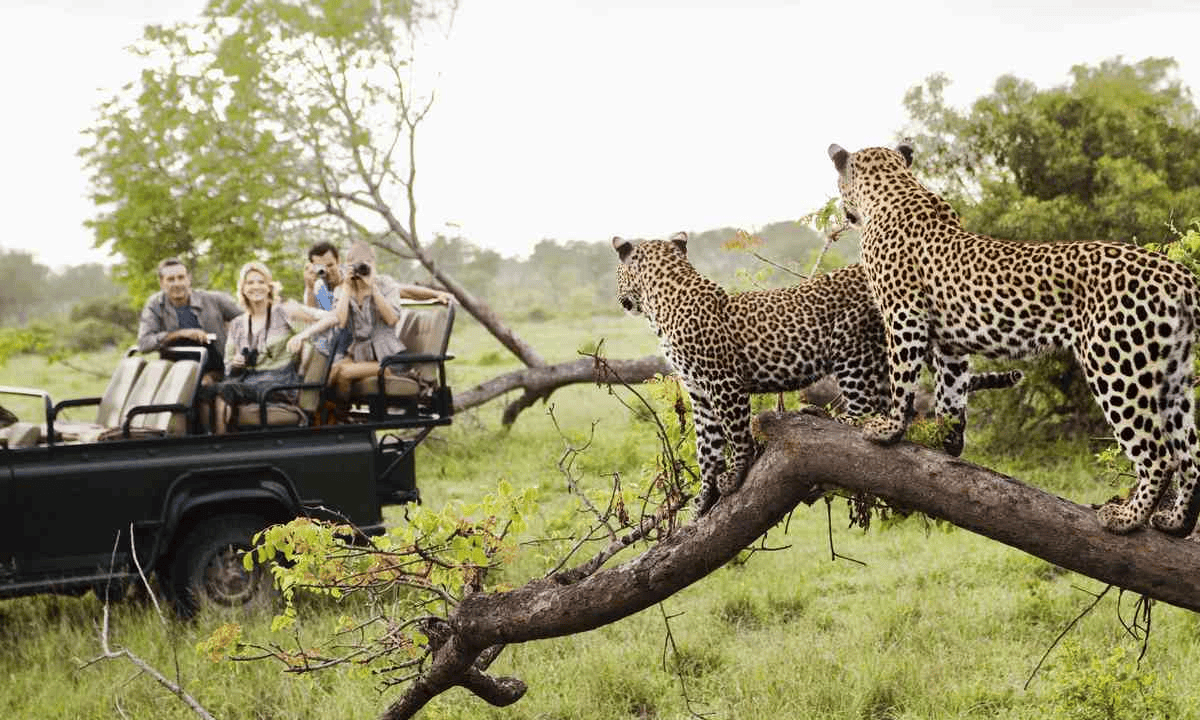
- You’ll often have sightings to yourself. It’s not uncommon to spend an hour with a leopard in a tree with no other vehicle in sight.
The trade-off is real, though. Roads can get muddy, some camps close for refurbishment in April and May, and afternoon thunderstorms are routine. Most lodges and conservancies remain open and operational throughout — but check before booking.
Shoulder season: best value for money
If you want dry-season conditions without peak-season prices, target late May to mid-June and late October to early November.
These windows give you:
- Drier weather and good road access
- Strong predator activity (the resident lions and cheetahs are in their element)
- 30 to 50% lower lodge rates than July-September
- Significantly fewer vehicles at sightings
- The chance of early or late migration action
Shoulder season is particularly smart for travelers who’ve done the migration before and want to focus on resident wildlife, slow game drives, and longer stays at fewer camps. Pairing a shoulder-season Mara trip with a private conservancy stay — Mara North, Olare Motorogi, or Naboisho — gives you exclusive traversing rights, off-road driving, night drives, and walking safaris that aren’t allowed in the main reserve.
Where to stay
The Maasai Mara has lodging across every price point, from no-frills tented camps in the conservancies to flagship properties with private plunge pools and dedicated guides. The right choice depends on what you want from your evenings as much as your game drives.
Browse our curated Kenya safari lodges, ranging from classic safari lodges in the main reserve to ultra-private conservancy camps that border the Mara on its less-visited northern edge.
Planning your trip
A few practical notes that experienced safari planners always pass along:
- Book early for July-October. The best camps fill 9-12 months in advance for migration season.
- Spend at least four nights. The Mara rewards patience. Three nights is the minimum to see a meaningful game; four to five gives you the cushion for a river crossing or a special sighting.
- Combine the Mara with another park. Amboseli (elephants, Kilimanjaro views), Samburu (rare northern species), or Lake Nakuru (rhinos, flamingos) pair beautifully with three or four nights in the Mara.
- Fly in. The drive from Nairobi takes five to six hours over rough roads. A 45-minute light aircraft transfer costs more but saves a full day each way.
- Pack layers. Mornings are cold even in the dry season; afternoons can hit 85°F.
Ready to plan your Maasai Mara safari?
There’s no single “best” time to visit the Maasai Mara; there’s only the best time for the trip you want to take. Whether that’s a front-row seat at a river crossing in August, a quiet leopard sighting in a misty March morning, or a value-driven shoulder-season escape, the Mara delivers something unmatched anywhere else on the continent.
Reach out to start building your trip. We’ll match the timing, lodges, and itinerary to what matters most to you, and we’ll be honest about the trade-offs so you arrive with the right expectations.