Kruger is one of Africa’s most misunderstood parks. First-time planners tend to picture a single destination, when in reality “Kruger” describes two very different safaris sharing one ecosystem: the vast national park itself, where you can drive your own rental car past lions, and the private reserves along its unfenced western edge, where expert guides take you off-road to within meters of a leopard. Same animals, completely different trips, and very different prices.
This guide covers both: when to go, where to stay, how the Big Five viewing actually works, and how to choose the version of Kruger that fits you.
Kruger in brief
The Kruger National Park stretches roughly 350 kilometers along South Africa’s northeastern border, covering nearly two million hectares of bushveld. It holds all of the Big Five, more mammal species than any other African park of its kind, over 500 bird species, and the most developed safari infrastructure on the continent: tarred roads, well-run rest camps, and three nearby airports with daily flights from Johannesburg and Cape Town.
Along its western boundary sit the private reserves (Sabi Sands, Timbavati, Manyeleti, Thornybush and others), which share the ecosystem with no fences between them. Animals move freely; travelers and rules do not, and that difference defines the two Kruger experiences.
Best time to visit Kruger National Park
Kruger’s calendar splits cleanly into two seasons.
Dry winter (May to September): the prime game-viewing window. Rain all but stops, the bush thins out, and wildlife concentrates around rivers and waterholes. Visibility is at its best, mosquito activity at its lowest, and daytime temperatures are comfortable, though dawn game drives in an open vehicle are genuinely cold, often near freezing in July. If maximum sightings are the goal, June through September is the answer, with September often cited as the single best month: the bush is at its driest, animals cluster at water, and spring warmth returns.
Green summer (October to April): the value and atmosphere window. The rains arrive, the bushveld turns lush, migrant birds pour in, and impala and other antelope drop their young in November and December, which keeps predators busy. Game is harder to spot in the tall grass, afternoon thunderstorms are routine, and midsummer heat can top 100°F, but rates fall, crowds thin, and the landscape photography is at its best.
Neither season is wrong; they’re different trips. To compare Kruger’s calendar with East Africa’s and the rest of the continent’s, zoom out andplan your safari across regions before fixing dates.
Kruger National Park camps: where to stay
Inside the national park: SANParks rest camps. The park’s public rest camps are the affordable classic: fenced villages of bungalows, campsites, and cottages with shops, fuel, and restaurants. Skukuza is the largest and best-connected (it has its own airport); Lower Sabie sits on a river with famous elephant viewing from the deck; Satara commands lion-rich grasslands in the central park; Olifants perches on a cliff with one of the great views in African travel. Rest camps suit self-drivers and budget-conscious travelers, and they book out months ahead for school holidays and the dry season.
Inside the park: private concessions. A middle tier: exclusive lodges on private concessions within the national park boundary, combining park scenery with guided-only access and far fewer vehicles.
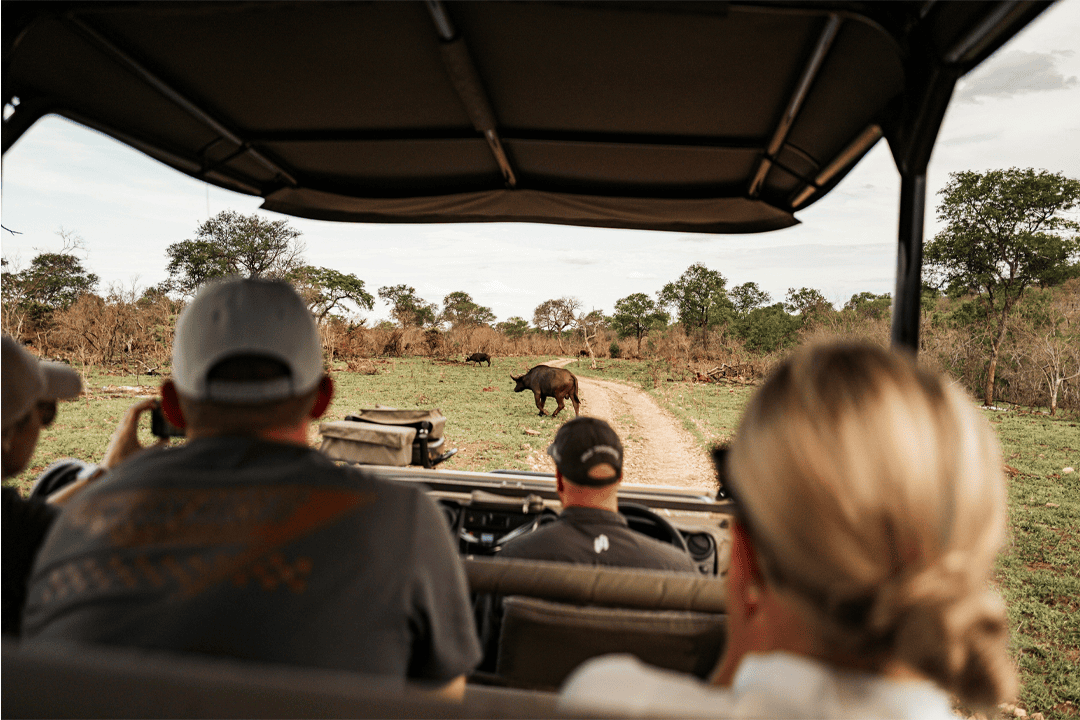
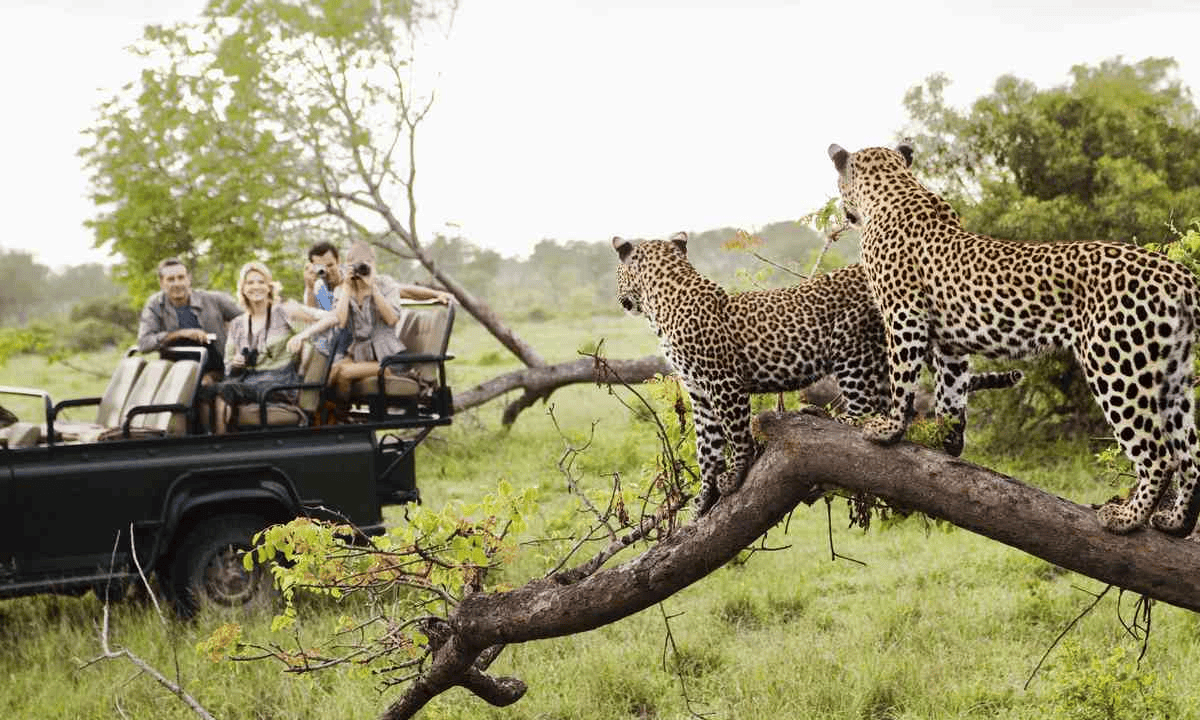
The private reserves: Sabi Sands, Timbavati and neighbors. The premium tier, and for many travelers the whole point of Kruger. Lodges here operate on privately owned land with traversing rights, which unlocks what the national park prohibits: off-road driving to follow animals, night drives, walking safaris, and strict vehicle limits at sightings. Sabi Sands in particular is widely regarded as the best leopard-viewing destination in Africa, with generations of vehicle-habituated leopards that carry on hunting, feeding, and raising cubs at close range. Expect all-inclusive pricing with two daily game drives, and expect it to cost several times the rest-camp rate.
Big Five Kruger: what to realistically expect
Kruger and its private reserves are the most reliable Big Five destination on the continent, and a three-to-four-night stay in a well-guided private reserve delivers all five more often than not. Species by species:
- Lion: abundant throughout, with the central grasslands around Satara particularly strong. Very high probability on any multi-day visit.
- Leopard: the star of the private reserves. In Sabi Sands, leopard sightings are near-daily; in the public park they’re a matter of luck along riverine roads at dawn and dusk.
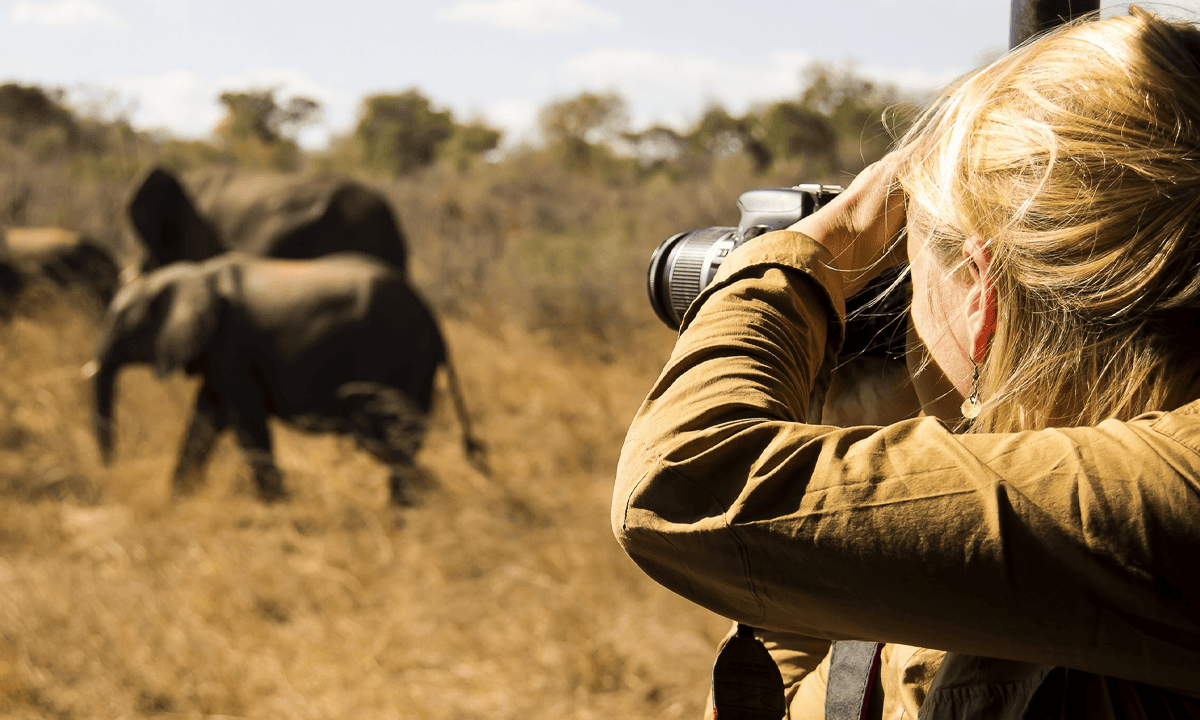
- Elephant: effectively guaranteed. Kruger holds tens of thousands, and the rivers in the dry season concentrate them.
- Buffalo: large herds throughout; the easiest of the five after elephant.
- Rhino: present, but under severe poaching pressure, and the one sighting no honest operator guarantees. The southern sections have historically offered the best chances. Guides and camps deliberately keep rhino location details vague to protect the animals; treat that discretion as part of visiting responsibly.
The realistic summary: four of five come readily almost anywhere in greater Kruger; rhino rewards time, the right area, and luck.
Self-drive or guided: the honest comparison
Self-drive is Kruger’s unique offer among Africa’s great parks: rental car, park map, and total freedom on an excellent road network. It’s Africa’s most affordable safari and genuinely rewarding for independent travelers who enjoy the hunt. The limits are real, though: you stay on roads, sightings depend on your own eyes, you’re confined to daylight gate hours, and popular sightings can jam with cars in peak season.
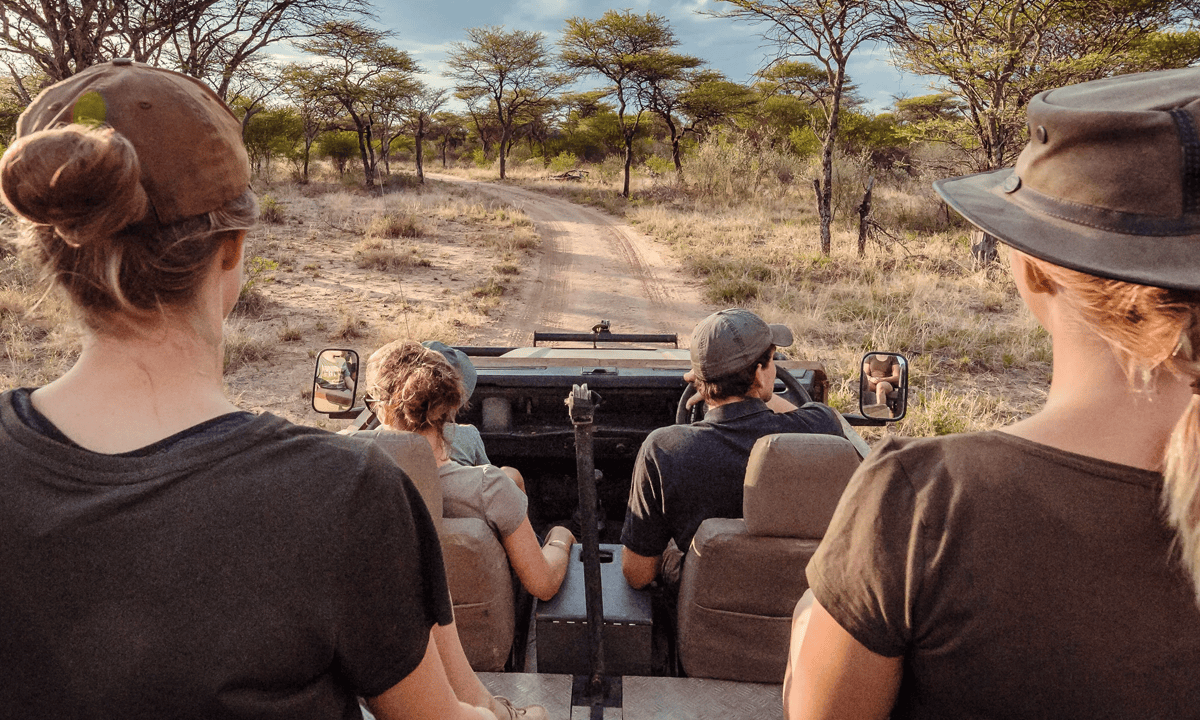
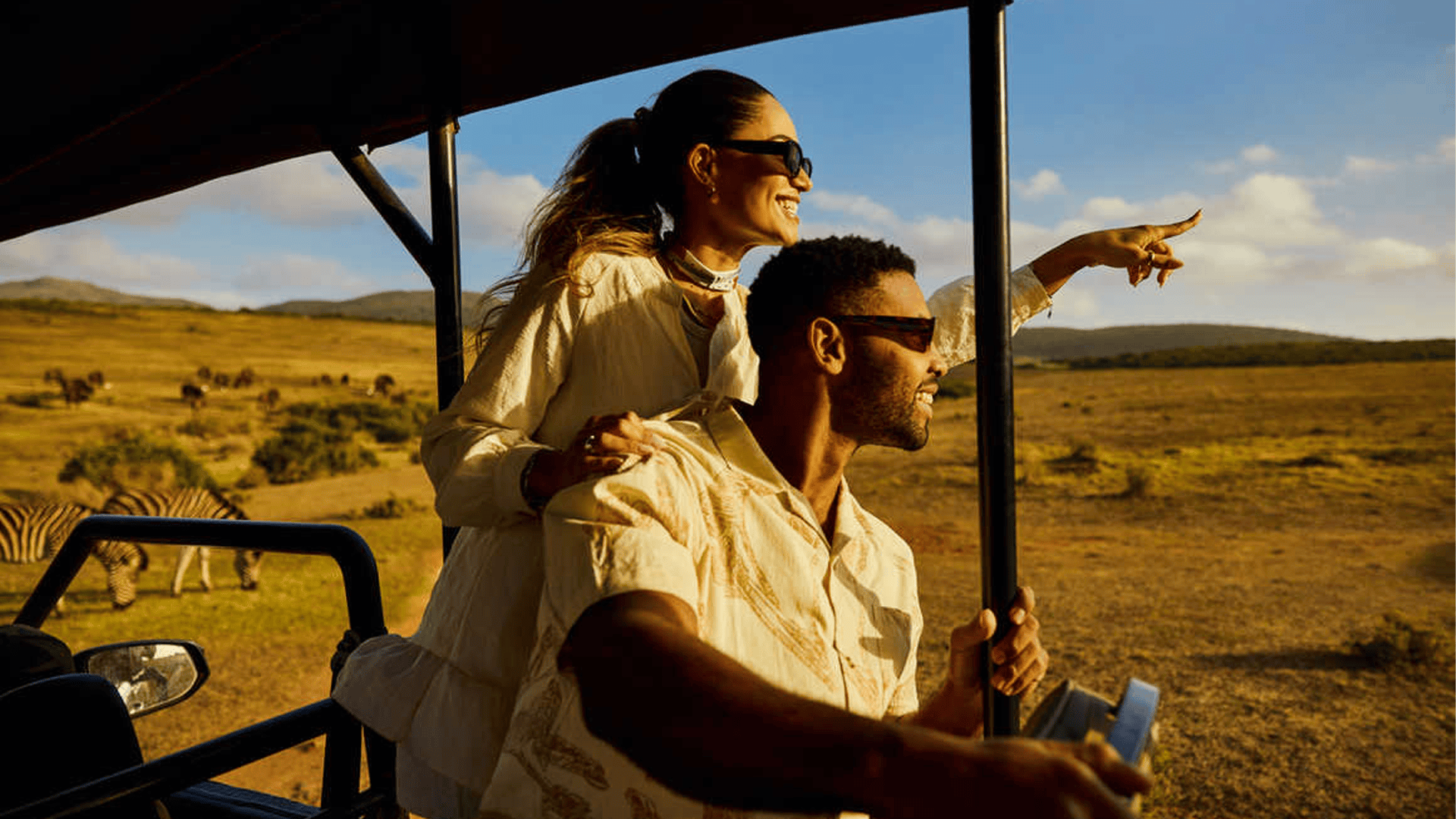
A guided safari (in private reserves or on guided drives from park lodges) multiplies what you see. Professional guides and trackers read spoor, share sightings over radio, drive off-road where permitted, and interpret behavior in ways that transform the experience, especially for first-timers. You pay for it, and it’s worth it if wildlife is why you came.
The smart hybrid many travelers choose: two or three self-drive nights in the national park for the freedom and the budget relief, then two or three nights in a private reserve for the depth. Kruger also combines beautifully with the rest of a South Africa safari itinerary, most classically with Cape Town on the other end of a two-hour flight.
Frequently asked questions
What is the best month to visit Kruger National Park?
September, for most travelers: peak dry-season game viewing, moderate temperatures, and animals concentrated at water before the rains. June through August run it close, with colder mornings. For lush landscapes, birding, and lower rates, November through March is the alternative, with harder-working game viewing.
How many days do you need in Kruger National Park?
Three nights is the sensible minimum for a real chance at the Big Five; four to five nights is the sweet spot. If splitting between the public park and a private reserve, allow at least two nights in each so neither leg feels rushed.
What is the difference between private reserves and the main Kruger park?
Same unfenced ecosystem, different rules. The national park offers self-driving, rest camps, and lower costs, but restricts everyone to roads and daylight hours. The private reserves (Sabi Sands, Timbavati, and neighbors) are guided-only, allow off-road driving, night drives, and walking, cap vehicles at sightings, and price accordingly. Wildlife is shared; access is not.
Is self-drive safari possible in Kruger, or do you need a guide?
Self-drive is fully possible and popular: the park was built for it, with tarred main roads, clear maps, and fenced rest camps. You don’t need a guide inside the national park. A guide is only necessary in the private reserves, and it’s valuable anywhere if you want to see more than you’d spot on your own.
Planning your Kruger safari
Kruger’s great advantage is choice: the same world-class ecosystem serves a budget self-drive, a mid-range lodge trip, and a top-tier private-reserve safari, and the best itineraries mix tiers deliberately. Decide your season, decide your split between freedom and guiding, and book the dry-season months well ahead.
Reach out when you’re ready, and we’ll build the version of Kruger that fits your budget and your priorities, and tell you honestly where the private-reserve premium is worth it and where it isn’t.