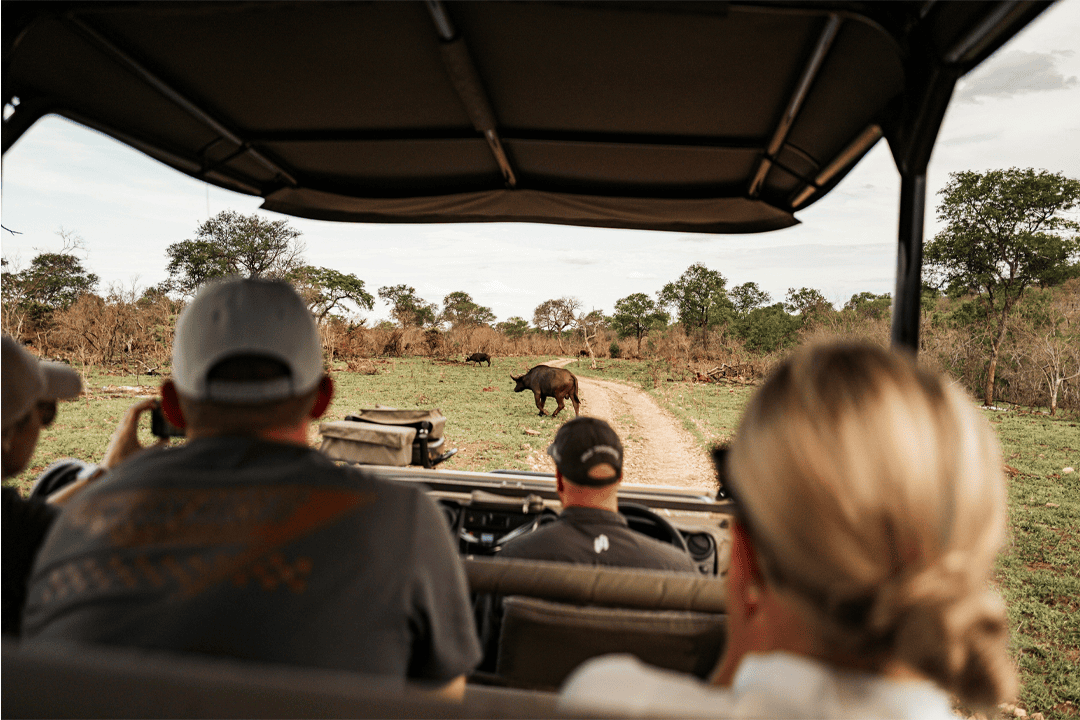
Tipping is the part of safari budgeting nobody includes on the invoice, and everyone worries about on the last night. Travelers who’ve planned every flight and lodge to the dollar still find themselves on a dark camp walkway at 9 p.m., wondering whether the tracker gets the same as the guide, whether the envelope goes to the manager or the staff box, and whether they brought enough small bills to make it work.
This checklist settles it all: who to tip on safari, how much, when, and in what form, so the gratitude you feel at the end of the trip reaches the right people without the awkwardness.
Why safari tipping is its own system
Three things make tipping on safari different from tipping in a restaurant.
First, the people serving you often earn modest base wages in regions where tips form a meaningful share of income; gratuities are expected, and they matter. Second, the structure is unusual: a dedicated guide and sometimes a tracker spend every day with you, while a large back-of-house team (kitchen, housekeeping, maintenance, security) works almost invisibly. Third, cash still rules in the bush, where card machines are unreliable, and the nearest ATM may be a flight away.
Most camps make it easy. Expect two main channels: a direct tip to your guide (and tracker, where there is one), and a communal staff box or envelope that the camp distributes among everyone else. Many camps print suggested guidelines in the room folder. When in doubt, ask the camp manager; the question is completely normal.
The gratuity checklist: who, and how much
Figures below are planning guidelines per guest, in US dollars, drawn from what camps and operators across East and Southern Africa commonly suggest. They are not rules, and generosity for exceptional service is always welcome.
| Who | Typical guideline (per guest) | How it’s given |
| Safari guide | $15 to $25 per day | Directly, in an envelope, at the end of your stay with that guide |
| Tracker (Southern Africa) | $10 to $15 per day | Directly, separately from the guide |
| General camp staff | $10 to $20 per day | Communal staff box, shared among housekeeping, kitchen, and back-of-house |
| Private butler or camp host | $5 to $10 per day | Directly, where the camp assigns one |
| Transfer drivers and porters | $2 to $5 per transfer or bag | At the moment of service |
| Specialist activity guides (walking, mokoro, balloon crew) | $5 to $20 per activity | At the end of the activity |
| City hotels and restaurants | Local norms: round up, or around 10% | As you would at home |
A worked example makes the budget concrete. A couple on a seven-night safari across two camps might set aside roughly: guide $20 per person per day ($280), tracker in one Southern African camp for three nights ($90), staff boxes at both camps ($200), and transfers and extras ($60). That comes to about $600 to $650 for the couple, or roughly $45 per person per day. Factor that into your overall picture of safari costs and inclusions from the start, rather than discovering it on the final morning.
Regional notes: tipping in Botswana and Kenya
Norms are broadly consistent across the continent, with a few regional wrinkles worth knowing.
Botswana and the rest of Southern Africa. The guide-and-tracker pairing is standard in South Africa’s private reserves and common in Botswana, so budget for two front-line tips, not one. In Botswana, tip mokoro polers and boat guides separately at the end of the activity. Camp staff boxes are nearly universal in the small, exclusive camps the country is known for; a Botswana safari usually involves fly-in transfers, so tip the airstrip transfer driver at each hop rather than saving it up. US dollars are widely accepted for tips alongside the pula.
Kenya, Tanzania, and East Africa. East African safaris more often involve one driver-guide who stays with you across multiple parks, which simplifies things: a single, larger end-of-safari tip to that guide is the norm, plus staff boxes at each lodge. Trackers are less common in the East African model. US dollars are the universal tip currency; local shillings are fine too, especially for small amounts. If you’re building an itinerary across the region, our East Africa safari guide covers the structure of those multi-park trips, which affects how your tipping plays out.
Cash for safari tips: the practical rules
- Bring US dollars in small denominations. Fives, tens, and twenties. Change is scarce in the bush, and a $100 bill can’t be split for a transfer driver.
- Bills must be post-2009 series and in good condition. Many East African banks and businesses refuse older or torn US notes, and that refusal flows downstream to anyone you tip with them. Ask your bank specifically for newer bills.
- Bring a stack of small envelopes. Handing cash in an envelope is standard, discreet, and lets you write a note of thanks. Most camps supply envelopes, but having your own removes a last-night scramble.
- Separate your tip cash from your spending cash. Pre-sort by camp in your luggage so you’re not counting bills in the dark. This belongs in your packing plan; our safari packing checklist includes a money-belt line for exactly this reason.
- Don’t rely on ATMs or card tips in the bush. Some larger lodges can add gratuities to a card bill, but it’s inconsistent, and card tips often reach staff later and sometimes in reduced amounts. Cash, handed over in person, is the reliable method.
Frequently asked questions
Should I tip the guide and the camp staff separately?
Yes. Tip the guide (and tracker, if there is one) directly and individually, since they’re your dedicated companions for the stay. Everyone else is covered by the communal staff box, which the camp distributes fairly across the team you rarely see. Putting it all in one box shortchanges your guide; giving it all to the guide shortchanges the kitchen.
Do I tip at the start or the end of the safari?
At the end of each stay, not the end of the whole trip. Tip your guide and the staff box on your final morning at each camp, before the transfer. If one driver-guide accompanies you across several parks, tip them once, on the last day you’re together. Tipping up front is not customary and can feel awkward for staff.
What if I’m on a group tour?
The same guidelines apply per person, so a group of six collectively tips the guide at six times the individual rate, often pooled into one envelope with everyone’s name. Agree the amount as a group early in the trip to avoid last-night negotiation. Some scheduled tours include a suggested tipping kitty collected by the tour leader; if so, confirm what it covers so you don’t double-tip.
Can I tip by card?
Occasionally, at larger lodges and city hotels, but don’t count on it. Remote camps often have no card facilities at all, and where card tips exist, distribution to staff can be delayed or reduced. Treat cash as the only dependable method and plan your dollars accordingly.
Plan the tip like you planned the trip
Tipping is simple once it’s budgeted and sorted in advance: small US bills, envelopes per camp, guide and tracker direct, everyone else via the box, settled on the final morning of each stay. Handle it that way and the last night of your safari stays what it should be, a sundowner, not a math problem.
If you’d like guidance specific to the camps and countries on your route, talk to a safari specialist before you travel; we’ll tell you what each camp suggests and how much cash to carry.