Namibia breaks every rule the classic safari taught you. The landscapes outnumber the animals as a reason to come; the best sightings often happen in places with almost no vegetation, and the country is one of the few in Africa where driving yourself is not just possible but arguably the best way to travel. If East Africa is about wildlife density, Namibia is about wildlife set against the continent’s most dramatic backdrops.
This guide covers the country’s essential regions, the desert-adapted animals that make it unique, when to go, and how to structure an itinerary.
Why Namibia is different
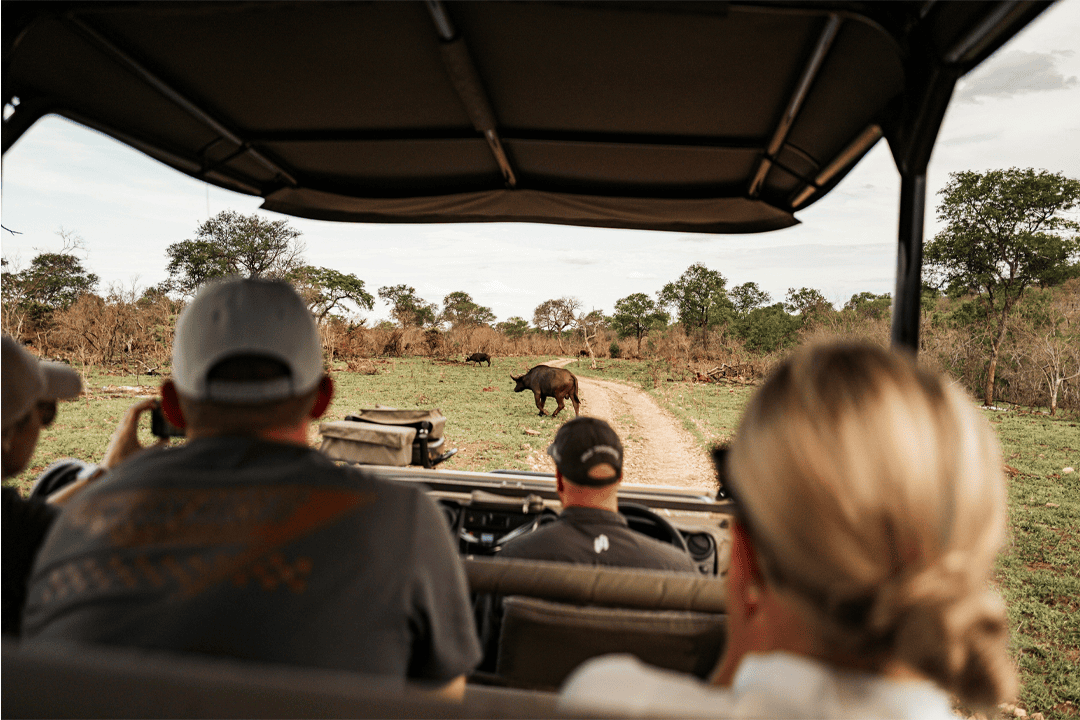
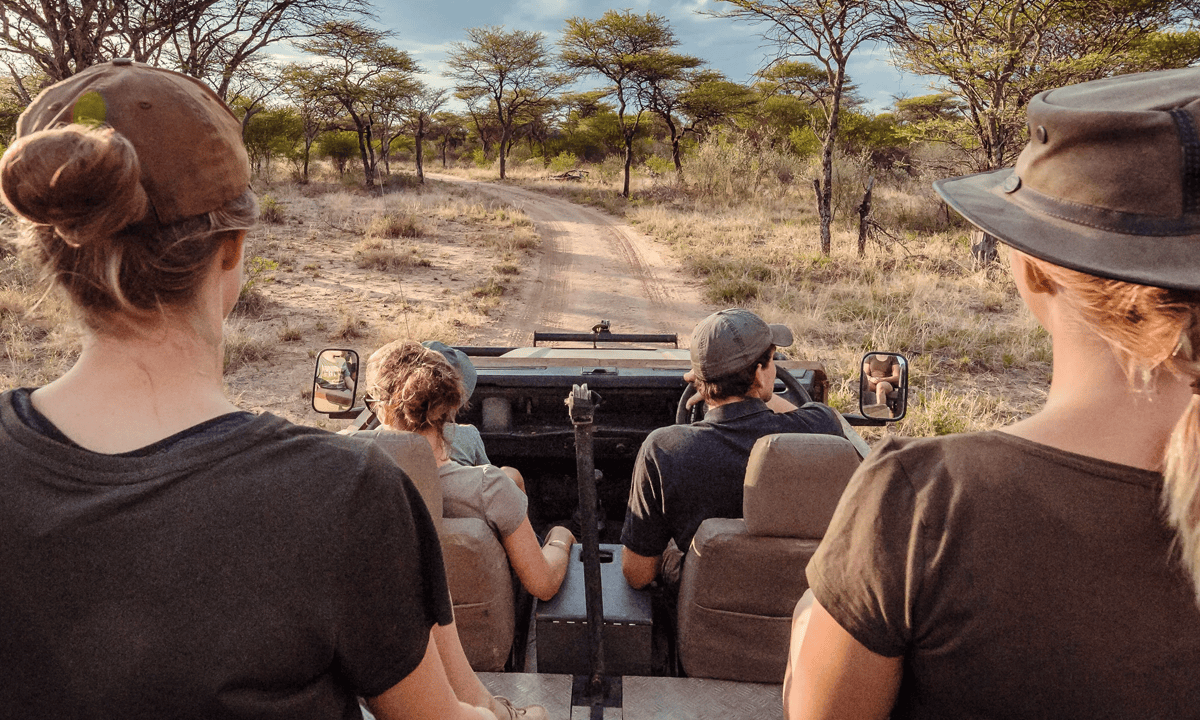
Three facts shape every Namibia trip. First, the scale and emptiness: Namibia is twice the size of California with fewer than three people per square kilometer, one of the lowest population densities on Earth, and the distances between highlights are part of the experience. Second, the desert: the Namib is among the world’s oldest deserts, and its wildlife has evolved remarkable adaptations to survive it. Third, the infrastructure: good gravel roads, reliable lodges, and a strong self-drive culture make Namibia the most independent-traveler-friendly safari country in Africa.
Where it sits in the bigger picture: Namibia anchors the southwestern corner of the continent’s safari map, a very different proposition from the savanna circuits further north and east. If you’re still orienting yourself, this visual Africa map and safari regions guide shows how Namibia fits in.
Sossusvlei dunes: the icon
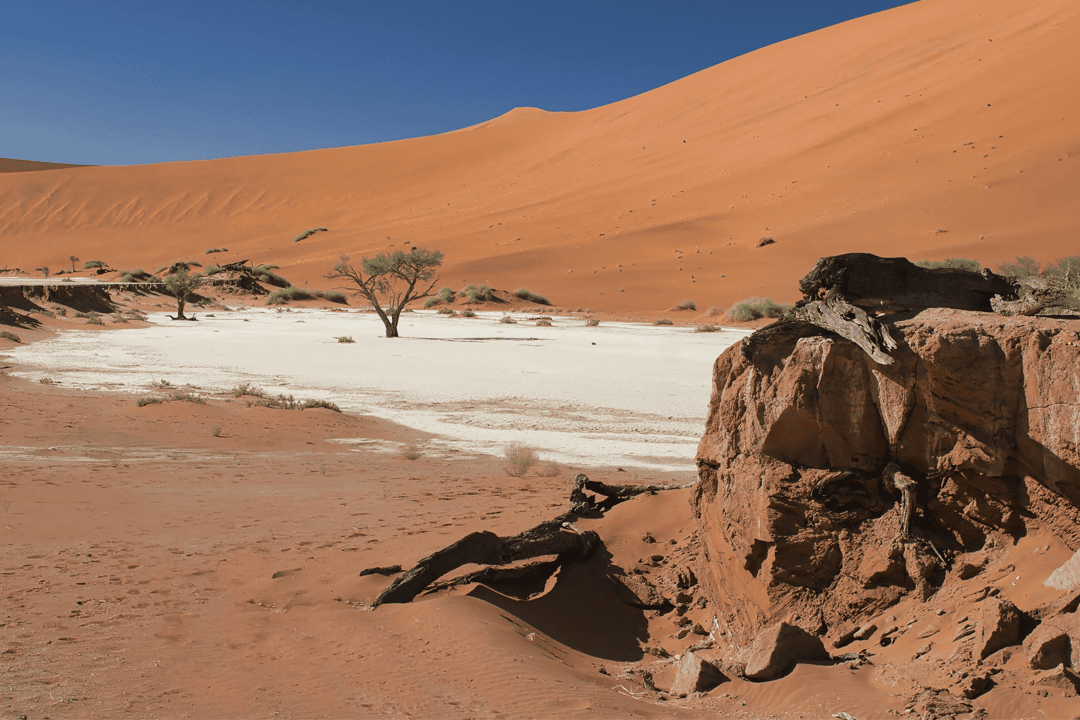
Sossusvlei is the image on every Namibia cover: apricot-red dunes rising as much as 300 meters above white clay pans, among the tallest in the world. The area sits inside the Namib-Naukluft National Park, and doing it properly means understanding the routine.
The magic hour is dawn. Overnight inside or beside the park (Sesriem is the gateway), enter at first light, and drive the 60 kilometers to the pans as the low sun sets the dune faces glowing red against black shadow. By late morning the light flattens, and the heat builds; the photographers’ window is short and worth structuring the day around.
The essential stops: Dune 45, the classic climbable dune at the roadside; Big Daddy, the tall one for the fit and determined; and Deadvlei, the surreal white pan studded with 900-year-old blackened camel thorn trees, preserved by the dry air and photographed more than any other scene in the country. Nearby Sesriem Canyon adds a short walk through a slot canyon cut by the Tsauchab River.
Two nights in the Sossusvlei area is the right allocation: one dawn for the dunes, a second for ballooning over the Namib or simply doing the light twice.
Namibia desert wildlife: what lives out here
Namibia’s counterintuitive delight is how much survives here, and how visible that survival is against the bare terrain.
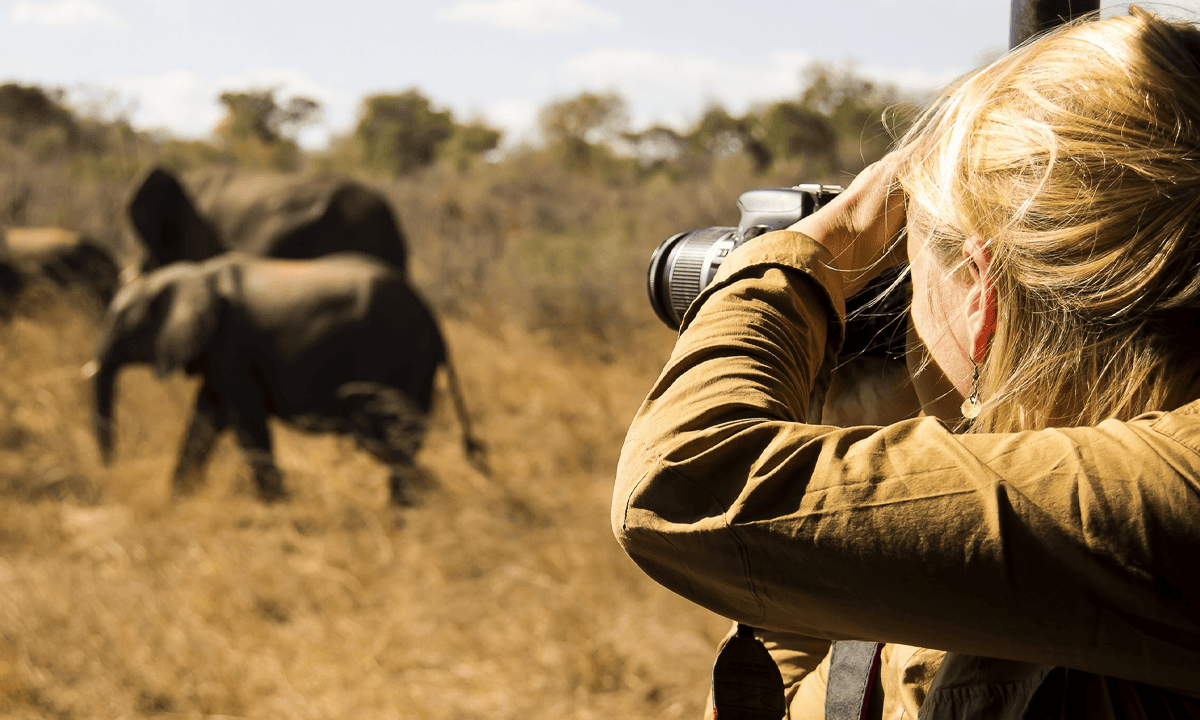
Etosha National Park is the country’s wildlife heart. The park surrounds a vast salt pan visible from space, and its game viewing model is beautifully simple: in the dry season, animals must come to the waterholes, so you park at one and let the safari come to you. Elephants, lions, giraffes, zebras, springbok, and gemsbok (oryx) rotate through in numbers, and Etosha is one of Africa’s best places to see the endangered black rhino, especially at the floodlit waterholes of Okaukuejo and Halali after dark, where rhinos drink within meters of the viewing benches.
Damaraland holds the specialists: desert-adapted elephants that trek dry riverbeds between scattered water sources, and a significant free-ranging black rhino population tracked on foot with expert guides. The elephants here have visibly longer legs and leaner builds than their savanna cousins, and finding them in a stone desert is a genuinely different kind of sighting.
The Namib itself rewards attention to the small and the strange: gemsbok silhouetted on dune crests, ostrich and springbok in the gravel plains, brown hyena patrolling the coast, jackals, bat-eared foxes, and the fog-drinking beetles and sidewinding adders of the dune ecosystem. The Skeleton Coast adds Cape fur seal colonies in the tens of thousands (Cape Cross is the famous one) and the shipwrecks that give the coast its name.
This is the calibration to arrive with: Namibia’s wildlife is thinner on the ground than Botswana’s or Kenya’s, and it’s spectacular anyway, because every sighting comes framed by desert.
Best time to visit Namibia
The dry winter, May to October, is the prime window. Rain is essentially absent, days are warm and clear, nights are cold (desert cold: below freezing is possible in June and July), and Etosha’s waterhole game viewing peaks as the landscape dries. July to September is high season; book lodges well ahead.
The green months, November to April, are the contrarian choice. Summer heat is serious (Sossusvlei regularly exceeds 100°F), and brief rains can green the gravel plains, disperse Etosha’s game, and fill the pan in exceptional years, drawing flamingos. Rates drop, crowds thin, and dramatic storm light rewards photographers. The dunes themselves are magnificent year-round; only your tolerance for heat changes.
The practical answer for a first trip: May, June, September, or October, which bracket the high season with excellent conditions and slightly softer prices.
Building the itinerary
Namibia’s classic loop runs from Windhoek south to Sossusvlei, west to Swakopmund on the coast (adventure sports, seal and dolphin cruises, and a welcome temperature drop), north through Damaraland, and into Etosha before returning to Windhoek. If you drive yourself, that loop takes 10 to 14 days; as a fly-in safari with light-aircraft hops, it compresses to 7 to 10 days, with far less transit fatigue and far more cost.
Both models work, and the choice comes down to honest budget arithmetic: self-drive Namibia is one of Africa’s best-value safaris, while the fly-in version competes with premium destinations on price. To see how those numbers stack up against other countries, the breakdown of African safari pricing explains what drives costs across the region.
Namibia also pairs naturally with its neighbor: the desert first, then the water. Namibia’s Zambezi Region points straight at Chobe and the Okavango, and a combined trip sets the driest landscape in Southern Africa against the wettest. If that contrast appeals, this Botswana safari guide covers the other half of that pairing.
For the full picture of routes, lodges, and regions, our Namibia destination page complements this guide.
Frequently asked questions
What makes a Namibia safari different from an East Africa safari?
The ratio of landscape to wildlife. East Africa delivers dense game on open savanna; Namibia delivers rarer, harder-won sightings set against deserts, dunes, and canyons that are attractions in their own right. Namibia is also far more self-drive-friendly, generally malaria-free across its southern and central regions, and paced around distances rather than game drives.
When is the best time to visit Namibia’s Sossusvlei dunes?
The dunes photograph beautifully year-round; the real question is comfort and the rest of your route. May to October brings cool, dry, clear conditions and aligns with Etosha’s best game viewing. Whatever the month, the non-negotiable is timing: be at the park gate at dawn, because the red-and-shadow drama of the dunes belongs to the first two hours of light.
What animals can you see in the Namib Desert?
Gemsbok (oryx), springbok, and ostrich are the emblematic large species of the dunes and gravel plains, with brown hyena and jackal as the resident predators and Cape fur seals massed on the coast. The broader desert regions add Damaraland’s famous desert-adapted elephants and free-ranging black rhino, while Etosha, on the desert’s edge, supplies the classic big game: lion, elephant, giraffe, and rhino at its waterholes.
How many days are ideal for a Namibia itinerary?
Ten to fourteen days for the classic self-drive loop (Sossusvlei, Swakopmund, Damaraland, Etosha), which respects the distances without rushing. A fly-in safari covers the same highlights in seven to ten days. Anything under a week forces a choice between the dunes and the wildlife; with less time, pick one and do it properly.
Planning your Namibia safari
Namibia rewards the traveler who comes for the whole picture: the oldest desert on Earth, the animals that mastered it, and roads so empty the journey becomes part of the destination. Decide between the self-drive loop and the fly-in version, anchor the trip on a dawn at Sossusvlei and the waterholes of Etosha, and give the distances the days they deserve.
Reach out when you’re ready to plan, and we’ll route it properly: the right season, the right number of nights in each region, and a straight answer on whether driving or flying fits your trip better.