Two countries protect the mountain gorillas that travelers can visit, and the choice between them comes down to a trade most people can state in one line: Rwanda costs nearly twice as much and saves you most of a day’s travel; Uganda costs half as much and asks more of your itinerary and your legs. Everything else is detail on top of that trade.
This guide lays out the real differences: permits, access, trek difficulty, lodges, and timing, so you can pick the country that fits your budget, your fitness, and the rest of your trip.
The one-hour rule, and why permits cost what they do
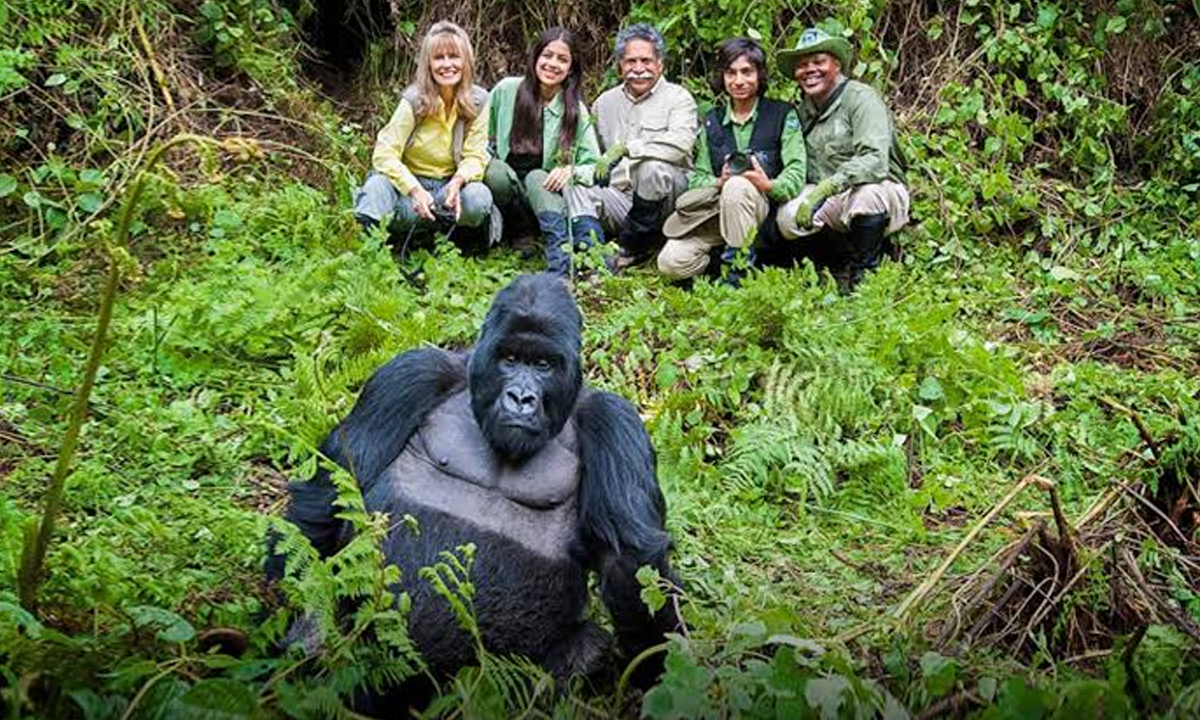
Both countries run gorilla tourism the same way. A single group of up to eight trekkers visits small, habituated gorilla families once daily, guided by rangers and trackers. You hike until the trackers locate the family, and then you get exactly one hour in their presence before hiking out. The hour is strictly enforced; the minimum age is 15 in both countries, and sick visitors are turned away because human respiratory illness is a genuine threat to gorillas.
Permits fund the entire conservation model: ranger salaries, veterinary care, anti-poaching, and revenue sharing with the communities bordering the forests. That’s why they’re expensive, and why the expense is defensible. The current pricing:
- Uganda: $800 per person for foreign non-residents at Bwindi Impenetrable National Park and Mgahinga, with discounted low-season permits (around $600) offered in April, May, and November. Uganda also sells a separate Gorilla Habituation Experience at $1,500: four hours with a family still being habituated, the only product of its kind.
- Rwanda: $1,500 per person at Volcanoes National Park, held at that level for years as deliberate high-value, low-volume policy. Rwanda offers roughly 30% discounts for travelers who combine the trek with nights in its other national parks in the low season.
Prices are set by each country’s wildlife authority and do change by decree, so confirm the current tariff when you book rather than relying on any article, this one included.
Access: the practical difference
Rwanda wins on convenience, decisively. Volcanoes National Park sits two and a half to three hours by good road from Kigali’s international airport. You can land in the morning, trek the next day, and be back for an evening flight. For travelers bolting a gorilla trek onto a Kenya or Tanzania safari, that efficiency is Rwanda’s core sell.
Uganda asks for more commitment. Bwindi lies in the far southwest, roughly eight to ten hours by road from Entebbe, or a domestic light-aircraft flight to a nearby airstrip plus a road transfer. The twist worth knowing: many Uganda treks actually route through Kigali, crossing the land border to reach southern Bwindi in four to five hours, splitting the difference between Rwanda’s access and Uganda’s prices. A good operator will tell you when that routing makes sense.
The trek itself: forest, terrain, and effort
Both countries deliver the same magic hour; the hike to it differs.
Bwindi is exactly what “Impenetrable” promises: steep, densely vegetated, ancient rainforest where trackers cut the path, and treks run anywhere from one to seven hours depending on where the family slept. It’s the wilder, sweatier, more adventurous version, and many travelers feel the effort deepens the payoff.
Volcanoes is open bamboo and montane forest on the slopes of the Virunga volcanoes, generally (not always) gentler underfoot with shorter average treks, though the altitude is higher. Rwanda assigns trekking groups to families partly by fitness, so honest self-assessment at the morning briefing matters.
In both countries, porters are available for a modest fee, and hiring one is the right call twice over: it lightens your day and puts income directly into the border communities whose support keeps gorillas alive. Physical preparation is straightforward: regular hill walking in the months before, sturdy boots, gloves for grabbing vegetation, and gaiters. This counts as strenuous travel, and it sits within reach of most reasonably active people.
Uganda has one structural advantage in availability: it protects most of the world’s trekkable gorilla population, with more habituated families spread across Bwindi’s sectors, and the roster continues to grow as new gorilla families in Uganda complete habituation. Rwanda’s smaller roster and fixed daily cap mean peak-season permits sell out earlier, sometimes six months or more in advance.
Lodges, cost of the whole trip, and the country around the trek
Rwanda has positioned itself as the luxury option, and the lodges around Volcanoes include some of Africa’s most celebrated properties, with prices to match. Beyond the trek, Rwanda packages beautifully: Kigali is one of the continent’s cleanest, safest capitals, and the country’s story of transformation is reason enough to linger a day. If you’re curious what surprises visitors most, these Rwanda travel facts are the right primer.
Uganda spans a wider range, from good-value guesthouses to genuinely excellent lodges at prices below Rwanda’s equivalents, and the trek slots into a richer standalone itinerary: chimpanzees in Kibale (the best chimp tracking in Africa), tree-climbing lions in Queen Elizabeth, and the Nile at Murchison Falls. Uganda is the answer when the gorillas are the centerpiece of a full week rather than a two-day add-on.
The total-trip arithmetic often surprises people: once you add lodges, transfers, and extra days, Uganda’s permit savings can narrow or vanish on a rushed itinerary, and Rwanda’s premium can look reasonable for a short, efficient add-on. Price the whole trip, not the permit.
When to go, and the boring essentials
The drier windows (roughly June to September and December to February) offer easier trails and are peak demand; the rainy months bring tougher, muddier treks, lusher forest, and Uganda’s discounted permits. Gorilla viewing itself is excellent year-round, because the families are tracked daily regardless of weather.
Two pieces of preparation are non-negotiable. First, health: yellow fever certificates apply on many routes, malaria prophylaxis is needed for both countries, and trek-day illness rules are strictly enforced, so review health and safety on safari well before departure. Second, insurance: permits are largely non-refundable, treks happen in remote highlands, and medical evacuation coverage is essential, so proper travel insurance bought at booking time is part of the trip cost, not an option.
Frequently asked questions
Is gorilla trekking better in Uganda or Rwanda?
Neither is better; they’re optimized differently. Rwanda offers the fastest access (under three hours from Kigali), gentler average treks, and top-tier lodges at nearly double the permit price. Uganda offers half-price permits, more habituated families, a wilder forest, and a stronger standalone itinerary, at the cost of longer travel. Short on time or budget-insensitive: Rwanda. Value-focused or building a full Uganda week: Uganda.
How much does a gorilla trekking permit cost?
$800 per person in Uganda (roughly $600 for low-season permits in April, May, and November, plus a $1,500 four-hour habituation experience) and $1,500 in Rwanda, which discounts about 30% in low season when combined with its other parks. National wildlife authorities set prices and change them periodically, so confirm the current tariff when booking.
How physically demanding is gorilla trekking?
Moderately to seriously demanding, and variable by the day: treks run from under an hour to most of a day, over steep, muddy, high-altitude terrain, especially in Bwindi. Most reasonably fit people manage it. Hire a porter, use the walking stick, be honest at the fitness briefing, and remember the trackers set a pace the group can hold.
What is the best time of year for gorilla trekking?
June to September and December to February bring the driest trails and the heaviest demand; book permits three to six months ahead for those windows. The rainy months trade mud for lush scenery, thinner crowds, and Uganda’s discounted permits. Gorillas are reliably found in every season.
Choosing your forest
Strip it back to the trade: Rwanda sells efficiency and polish, Uganda sells value and depth, and the hour with the gorillas (the part you’ll remember for the rest of your life) is equally extraordinary in both. Decide based on the trip around the hour, book the permit early, and let the trackers do the rest.
Reach out when you’re deciding, and we’ll price both versions side by side for your dates, including the border-crossing routing that gets you Uganda’s permits with most of Rwanda’s convenience.