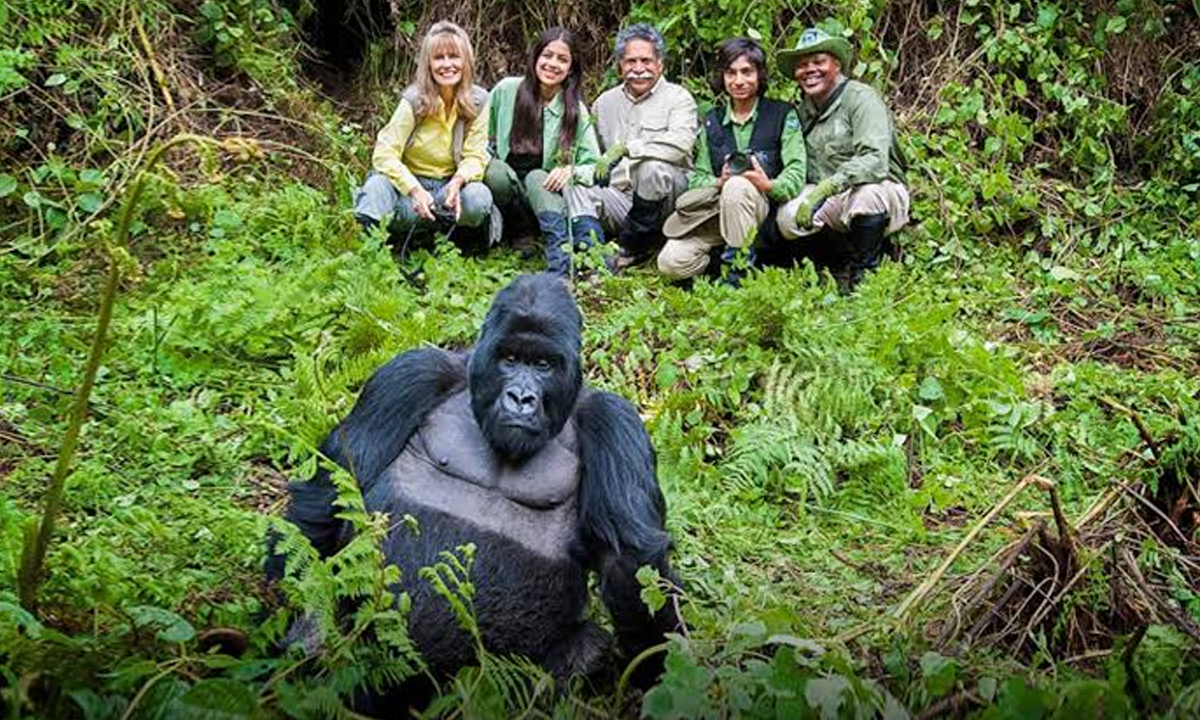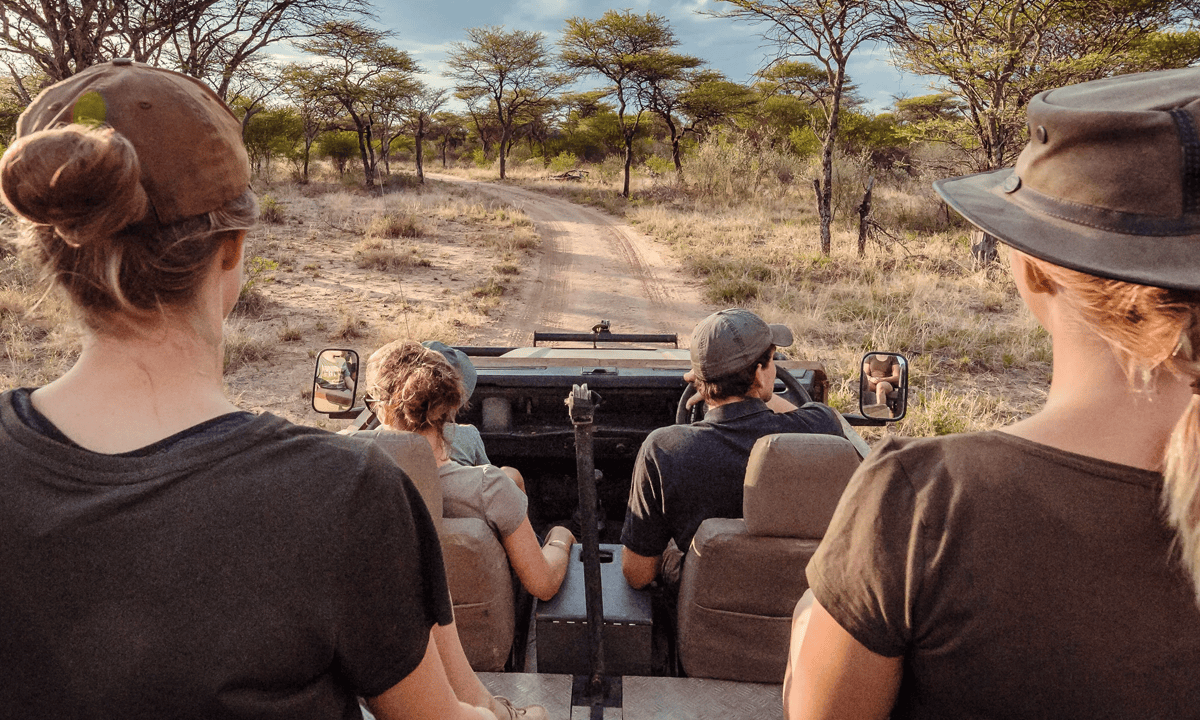
Here’s the thing most solo travelers worry about that they shouldn’t: being alone in the bush. A safari is one of the few trips where traveling solo barely registers as a disadvantage, because you spend your days in a vehicle with a guide and your evenings in a small camp surrounded by other travelers. The real solo-travel challenges on an African safari are different: the single supplement, choosing between a scheduled group trip and a private trip, and picking destinations where going alone actually works in your favor.
This guide covers all of it: how solo safari travel actually works, what it costs, where to go, and how to avoid the single-traveler traps.
Is a safari good for solo travelers?
Yes, and arguably better than most trip types. A safari is structured in a way that suits solo travelers almost by accident.
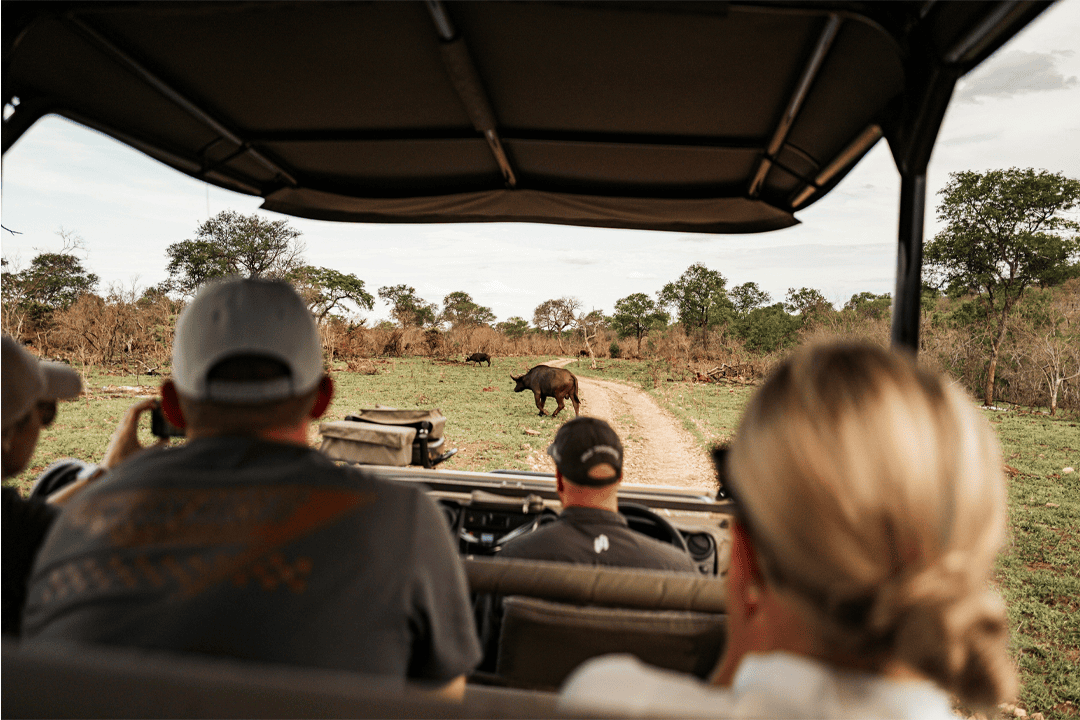
- You’re never actually alone in the field. Game drives are guided. You’re with an expert, often alongside a handful of other guests, watching wildlife together. The social bonding over a leopard sighting or a river crossing is real and immediate.
- Camps are small and communal. Most safari camps host 12 to 24 guests. Meals are often shared at communal tables, and the staff-to-guest ratio is high. Solo travelers integrate quickly.
- Safety is managed for you. You’re in the care of a tour operator, guides, and camp staff from arrival to departure. This isn’t a trip where you’re navigating unfamiliar cities alone at night.
- The pace suits introspection. If you came to be alone with the landscape, early morning drives and quiet afternoons deliver that too. Solo travel on safari lets you choose your level of social engagement.
The structure is what makes it work. You get the safety net of an organized trip with the freedom of solo travel layered on top.
The single supplement: the real cost issue
The biggest financial reality of solo safari travel is the single supplement. Camp and lodge rates are almost always quoted per person based on two people sharing a room or tent. Travel solo, and you occupy a room built for two, so operators charge a supplement to cover the lost revenue. This typically adds 25 to 50% to the accommodation portion of your trip.
There are several ways to manage it:
- Book scheduled group departures. Many operators run set-date group trips where solo travelers are matched with a same-gender roommate, eliminating the supplement. If you’re comfortable sharing, this is the cheapest path. Our guide to scheduled safari for solo travelers explains how these set-departure trips differ from private, tailor-made ones.
- Look for waived-supplement promotions. Camps with availability sometimes waive the single supplement in the shoulder and green seasons to fill rooms. These deals are common and worth asking about directly.
- Choose camps with dedicated single rooms. A growing number of properties are being built with smaller single units priced without the supplement penalty.
- Travel in the off-season. Lower base rates mean the supplement is calculated on a smaller number, reducing the absolute cost.
A good operator will actively hunt for these savings on your behalf. If you’re quoted a flat single supplement with no alternatives offered, that’s a sign to push back.
Scheduled group vs. private solo safari
This is the central decision for any solo traveler, and the right answer depends entirely on what you want out of the trip.
Scheduled group safaris
A scheduled safari runs on set departure dates with a fixed itinerary and a group of other travelers, often a mix of couples, friends, and other solos.
Choose this if you want to:
- Eliminate or reduce the single supplement (via roommate matching)
- Have a built-in company and a ready-made social group.
- Pay a lower overall price (group economics bring per-person costs down)
- Let someone else handle every logistical decision.
The trade-off is less flexibility. You move on the group’s schedule, share game drives, and travel at a fixed pace. For many solo travelers, the company and savings far outweigh the loss of control.
Private tailor-made safaris
A private safari is built around you alone—your own guide, your own vehicle, your own pace, your own choice of camps.
Choose this if you want to:
- Set your own schedule and stay longer at sightings that interest you.
- Have complete control over routing, lodges, and activities.
- Enjoy total privacy and a one-on-one relationship with your guide.
- Pursue specific interests (photography, birding, a particular species)
The cost is higher, and you carry the full single supplement. But for travelers who came to Africa for a specific, personal reason (a milestone birthday, a long-held dream, a serious photography goal), the private option delivers an experience tailored exactly to them.
A useful middle path: a private guided safari at camps that are themselves communal. You get your own vehicle and guide during the day, then natural social contact with other guests at meals. Best of both worlds for many solos.
Best African safari destinations for solo travelers
Some destinations suit solo travelers better than others, based on safety, ease of logistics, social atmosphere, and value.
Kenya is the strongest all-around choice for first-time solo safari travelers. It’s the most accessible safari country, with mature infrastructure, frequent scheduled group departures, and a high density of camps at every price point. The Maasai Mara in particular has a sociable camp culture, and the abundance of organized trips makes finding company easy.
South Africa is ideal for solo travelers who feel nervous about their first African trip. It’s English-speaking, has excellent infrastructure, offers malaria-free reserves (Madikwe, the Eastern Cape), and the private reserves around Kruger have a warm, communal lodge culture. The combination of Cape Town plus a Big Five reserve makes for a well-rounded, low-stress solo trip.
Tanzania works well for solo travelers who want the Serengeti and Ngorongoro and are comfortable with a slightly less developed (and slightly pricier) environment than Kenya. Scheduled group departures are widely available.
Botswana suits experienced solo travelers willing to invest. The small-camp, low-volume model means intimate groups and exceptional guiding, but the single supplements are steeper, and the trip costs more. Better as a second safari than a first solo trip.
For solo female travelers specifically, all of the above are well-suited. Safari travel is consistently rated among the safest forms of international travel for women, precisely because of the managed, guided structure. Camp staff and guides are professionals, and the communal camp environment provides natural company and security.
Solo safari packages: what to look for
When evaluating solo safari packages, the details matter more than the headline price. Look for:
- Transparent single-supplement policy. Know exactly what going solo costs before you book.
- Roommate-matching options if you want to share and save.
- Small group sizes. A scheduled trip capped at 6 to 8 travelers gives a far better experience than a 16-seat overland truck.
- Quality of guiding. On a solo trip, your guide is your primary companion in the field. Their skill and personality shape the entire experience.
- Camp character. Communal-table camps integrate solo travelers far better than sprawling lodges, where you eat alone at a table for one.
- Flexibility to extend. Solo travelers often want to add a few nights somewhere; a good package allows it.
Practical tips for your first solo safari
A few things experienced solo safari travelers consistently recommend:
- Build in a buffer day at the start. Arrive a day before your safari begins to recover from the flight and absorb any travel delays without stress.
- Tip in cash, budgeted in advance. Guides and camp staff are tipped at the end of a stay. Plan for it so it isn’t a surprise.
- Pack light and in neutral colors. Internal flights have strict luggage limits, often 15kg in soft bags. Khaki, olive, and tan are standard.
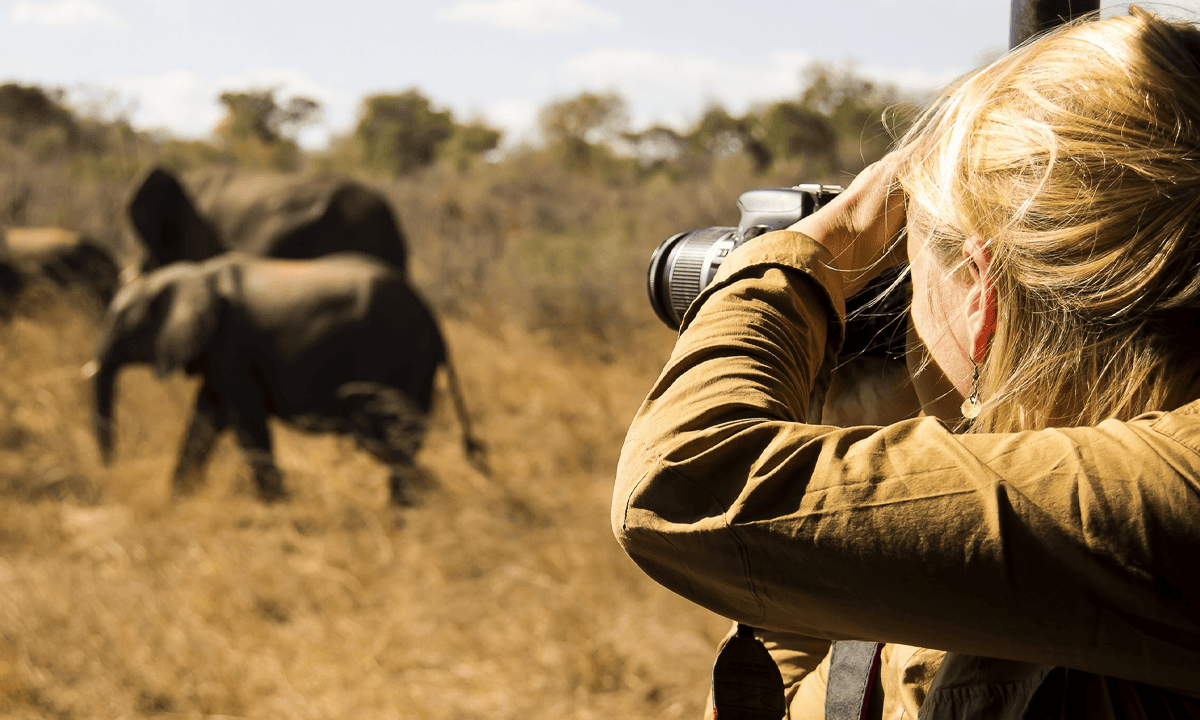
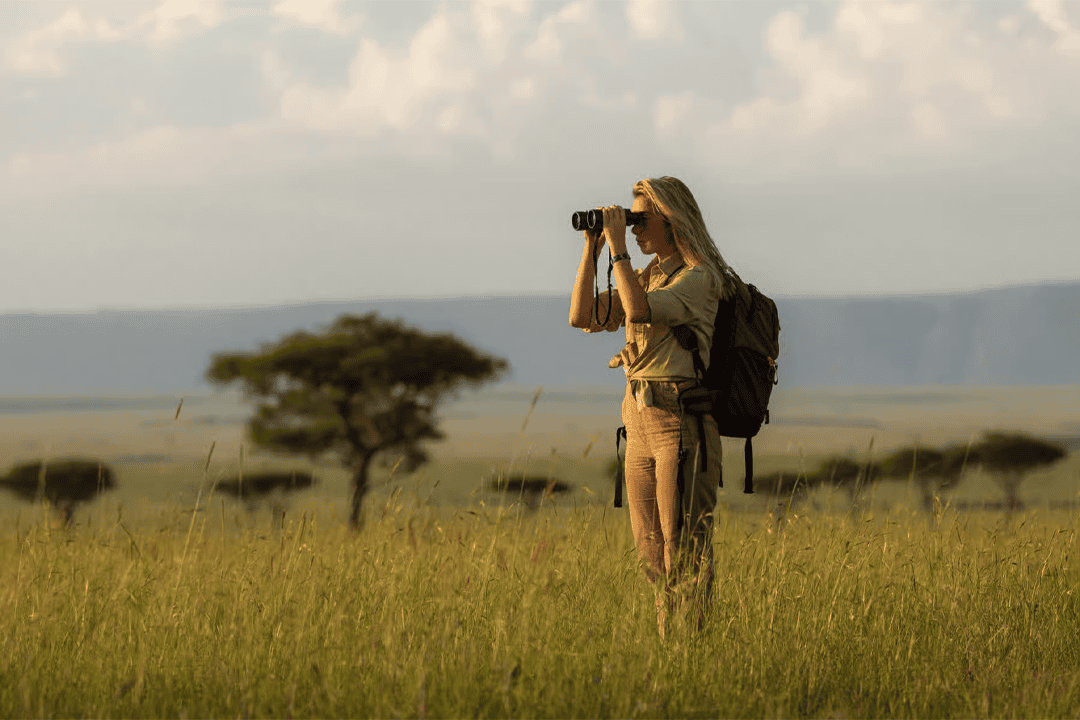
- Bring good binoculars and, if you photograph, real glass. A solo trip is your chance to focus entirely on the wildlife at your own pace.
- Talk to your guide about your interests on day one. A private guide will tailor drives around what excites you. Even on group trips, guides appreciate knowing what you most want to see.
- Embrace the communal dinners. The conversations with fellow travelers and guides over dinner are often the most memorable social moments of the trip.
Ready to plan your solo safari?
Solo travel and safari are a natural fit. The structure handles your safety and logistics, the small camps handle your social life if you want one, and the wildlife handles everything else. The only real decisions are how to manage the single supplement and whether you want the company of a scheduled group or the freedom of a private trip.
Plan your solo African safari, or reach out directly. We’ll find the right balance of cost, company, and freedom for the trip you actually want, and we’ll hunt down single-supplement savings wherever they exist.