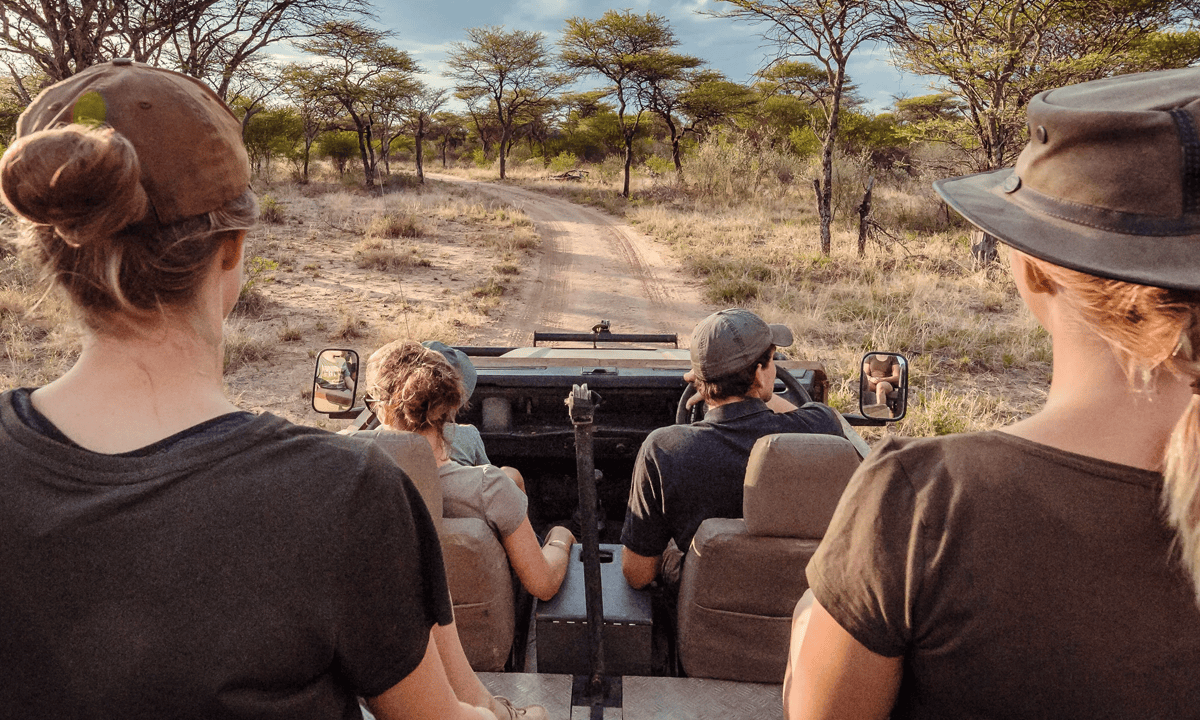
Here’s the scenario that makes safari travel insurance different from ordinary travel insurance: you’re at a tented camp in the Okavango Delta, ninety minutes by light aircraft from the nearest road, and you break an ankle stepping off a game vehicle. Getting you to a hospital involves a chartered medevac flight that can cost tens of thousands of dollars. Standard travel policies don’t always cover that. Safari-appropriate ones do.
This guide covers what safari insurance actually needs to include, the health preparation that keeps you off the medevac flight in the first place, and the documents that hold the whole trip together.
What safari travel insurance must cover
A safari-appropriate policy is defined by four coverages, in descending order of importance.
- Emergency medical evacuation, with a high limit. This is the non-negotiable. Safari camps are remote by design, and serious medical events (injury, cardiac issues, severe illness) require air evacuation to a proper hospital, often in Nairobi or Johannesburg, and sometimes repatriation home. Evacuation costs routinely run into five and occasionally six figures. Look for evacuation coverage of at least $250,000, and confirm it covers evacuation from remote areas, not just city-to-city transfers. Many operators and camps require proof of evacuation coverage as a booking condition, and several regions have dedicated flying-doctor services that some policies partner with directly.
- Medical treatment abroad. Coverage for hospital care, doctors, and medication in the countries you’re visiting, ideally $100,000 or more. Confirm the policy covers the specific countries on your route.
- Trip cancellation and interruption. Safaris are booked far in advance, paid substantially up front, and built from non-refundable components. Cancellation coverage that matches your total trip cost protects the largest single financial risk of the whole endeavor. Interruption coverage matters equally: if you have to leave mid-trip, it recovers the unused portion.
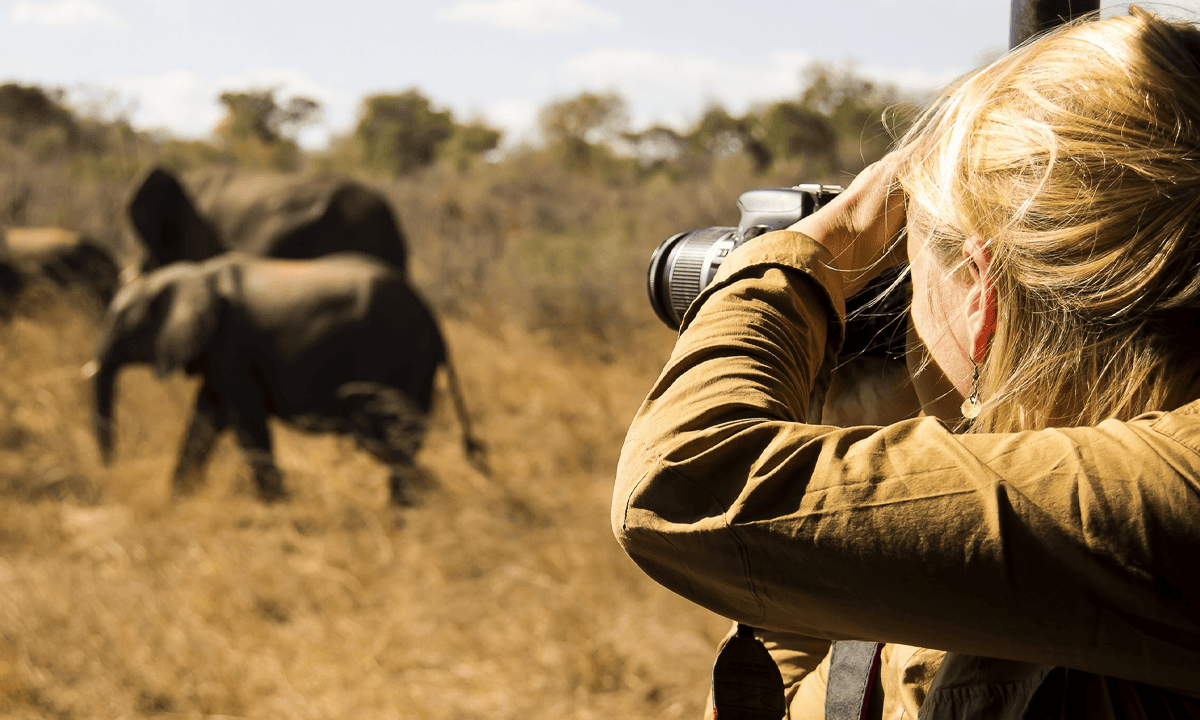
- Delay, baggage, and connection protection. Safari itineraries chain international flights to internal flights to light-aircraft transfers, and a single delay can cascade. Delay coverage, missed-connection coverage, and baggage protection (including for camera gear, which often needs a declared-value add-on for expensive equipment) round out the policy.
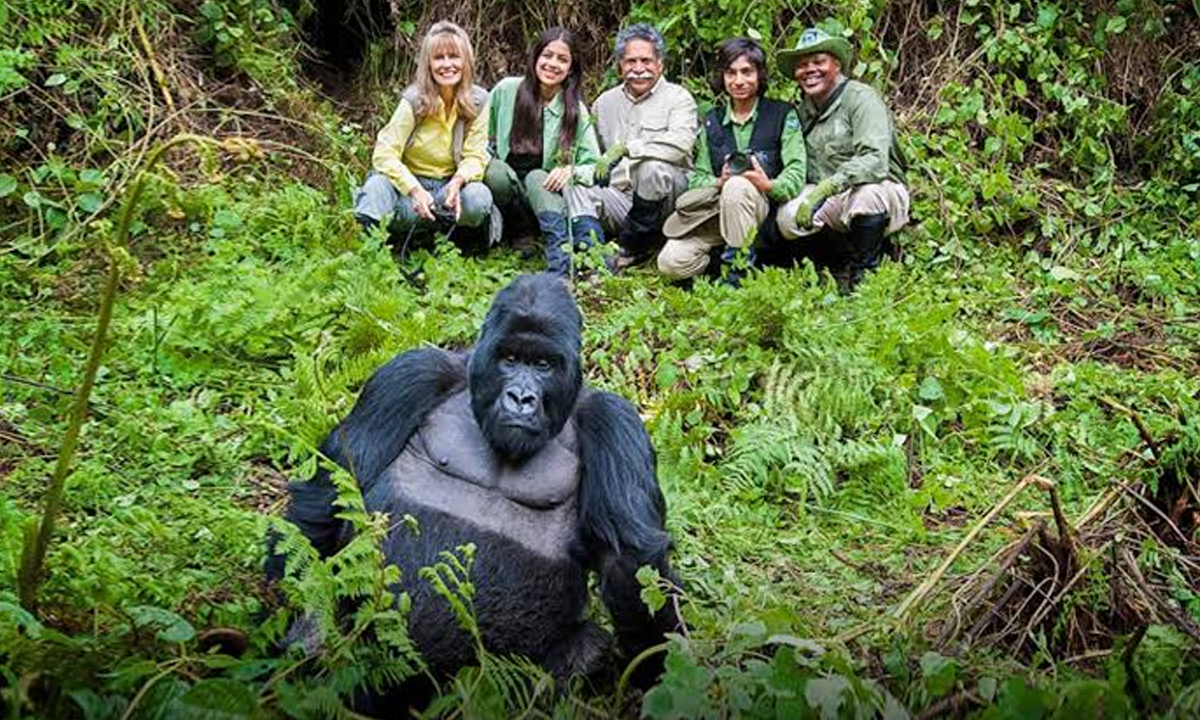
Read the exclusions as carefully as the coverages. Standard exclusions that bite safari travelers: “adventure activities” clauses that can exclude hot air ballooning, whitewater rafting, gorilla trekking, or even walking safaris unless specifically included; pre-existing condition limitations; and country-specific exclusions. If your itinerary includes a balloon flight over the Mara or rafting below Victoria Falls, confirm in writing that the policy covers it.
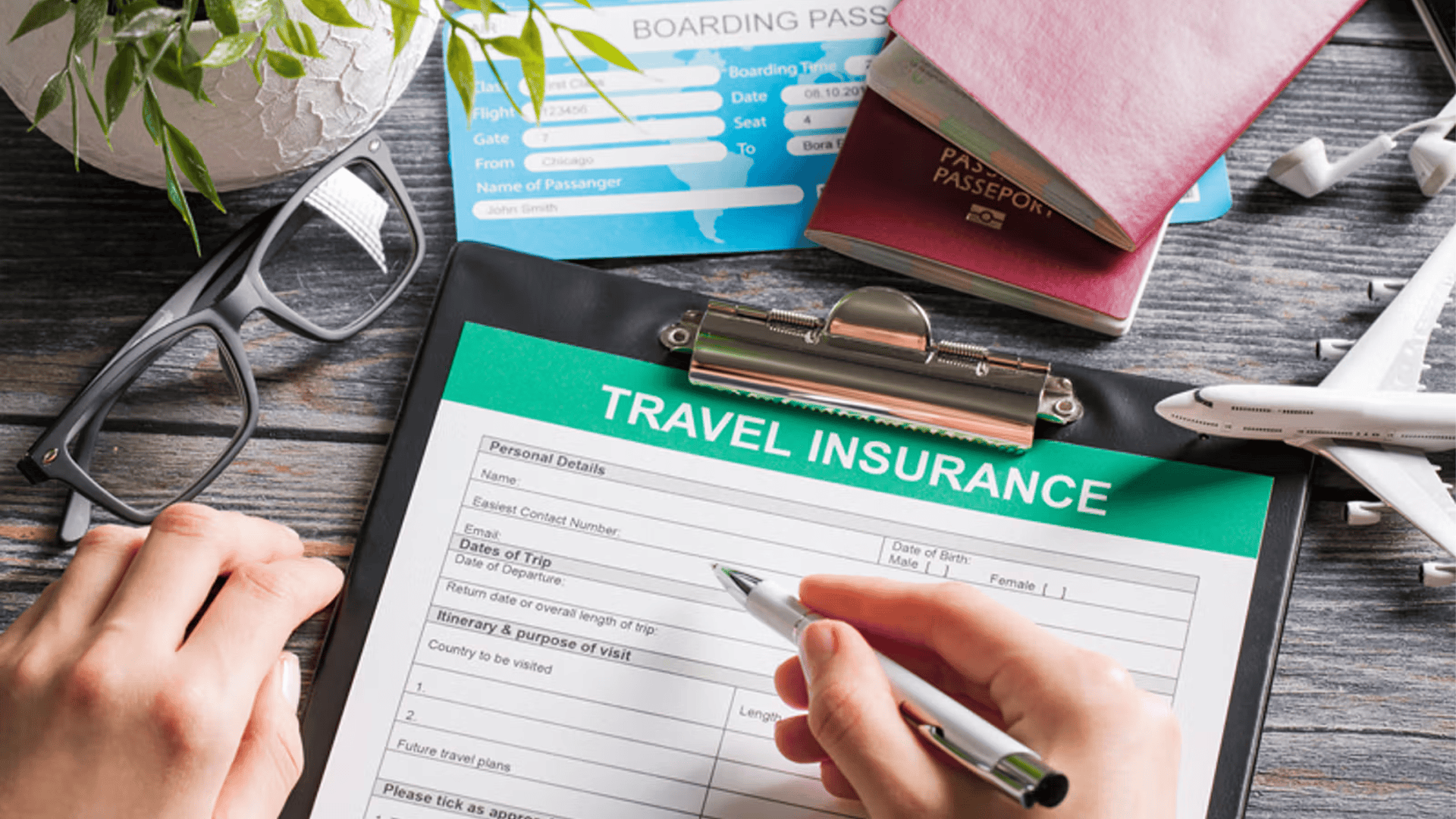
Travel insurance for the African safari market includes both general insurers with adequate remote-area coverage and specialist providers built for exactly this trip profile. Our travel insurance for your safari page covers the options we recommend to our own travelers.
When to buy: the timing rule most people get wrong
Buy your insurance when you pay your first deposit, not before departure. Two reasons, both financial:
First, cancellation coverage only protects payments made after the policy starts. Insure at the deposit stage and every subsequent payment is protected; wait until the month before departure, and your deposit and installments sit exposed for a year.
Second, the most valuable optional benefits are time-limited. “Cancel for any reason” upgrades and pre-existing condition waivers are typically only available within 14 to 21 days of your first trip payment. Miss that window and those options are simply gone.
The rule: book the trip, then insure it the same week.
Health preparation: the safari health and safety tips that matter
Insurance handles the emergencies; preparation prevents most of them. The health checklist, in the order you should tackle it:
Six to eight weeks out: the travel clinic visit. This is the anchor appointment. A travel medicine professional will review your route and advise on:
- Yellow fever vaccination, which is not optional for some routes: several countries require a yellow fever certificate for entry, particularly when arriving from or transiting through countries where the disease occurs. The certificate requirement is a border formality with real teeth, so sort it early.
- Bring routine vaccinations up to date (tetanus, hepatitis A and B, and typhoid are commonly advised for the region).
- Malaria prophylaxis matched to your specific route, since malaria risk varies by country, region, and season. Most classic safari areas are malaria zones; parts of South Africa offer malaria-free alternatives. You need to start the medication before departure, so this cannot be a last-week errand.
On the trip: the daily habits.
- Repellent with DEET or picaridin at dawn and dusk, plus long sleeves and trousers in the evening. Bite prevention is the first line of defense against malaria, regardless of medication.
- Drink bottled or camp-filtered water and stay ahead of dehydration; the combination of sun, altitude, and early mornings dehydrates faster than people expect.
- Apply sun protection seriously, because the equatorial sun in an open vehicle burns quickly through a breeze.
- Listen to your guides on wildlife protocol, absolutely and always. Camps are unfenced by design; guides’ instructions about walking at night and behavior around animals are safety rules, not suggestions.
The personal kit. A first-aid kit with your prescriptions in original packaging, antihistamines, rehydration salts, and stomach remedies covers the minor issues that remote locations turn into major inconveniences. Our guide to health and safety on safari covers the full medical preparation picture, including country-specific requirements.
The document layer
Insurance and health preparation sit inside a broader document checklist, and border officials check it:
- Passport valid for at least six months beyond your return date, with two to four blank pages depending on your route.
- Visas arranged per country, some online in advance, some on arrival, with requirements that vary by nationality.
- Yellow fever certificate where your route requires it, carried with your passport.
- Insurance documentation printed and saved offline, including the emergency assistance phone number, because the moment you need it is the moment you may not have signal to look it up.
- Copies of everything stored separately from the originals and shared with someone at home.
Requirements shift and differ by both destination and nationality, so verify them against current official sources as part of booking. Our visa, passports and travel documents page tracks the requirements for the destinations we operate in.
Frequently asked questions
What does safari travel insurance cover?
A proper policy covers emergency medical treatment abroad, emergency evacuation from remote areas (the critical one), trip cancellation and interruption matched to your full trip cost, travel delays and missed connections, and baggage including camera equipment. Always check the adventure-activity exclusions against your actual itinerary.
Is emergency evacuation coverage necessary for an African safari?
Yes, and it’s the defining feature of safari insurance. Camps are hours from hospitals by air, evacuation flights can cost tens of thousands of dollars, and many operators require proof of evacuation coverage as a booking condition. Treat $250,000 of evacuation coverage as the floor.
What vaccinations and health precautions should you take before traveling to Africa?
Visit a travel clinic six to eight weeks before departure. Expect advice covering yellow fever (a certificate is required for entry on some routes), updates to routine vaccinations, and malaria prophylaxis matched to your specific itinerary. On the ground, bite prevention, sun protection, safe water, and following your guides’ instructions do most of the protective work.
When should you purchase travel insurance, before or after booking your trip?
Immediately after paying your first deposit. Cancellation coverage protects only payments made after the policy begins, and the most valuable options (pre-existing condition waivers, cancel-for-any-reason upgrades) are typically available only within two to three weeks of that first payment.
Insured, vaccinated, documented: then relax
Safari health and safety preparation front-loads all the work: one clinic visit, one insurance purchase timed to your deposit, one document check. Do those three things properly and the trip itself requires nothing more than repellent at dusk and listening to your guide.
If you’re unsure what your specific route requires, speak to our safari specialists before you book anything. We’ll tell you what your countries require, what your camps mandate, and which coverage actually fits the trip you’re taking.