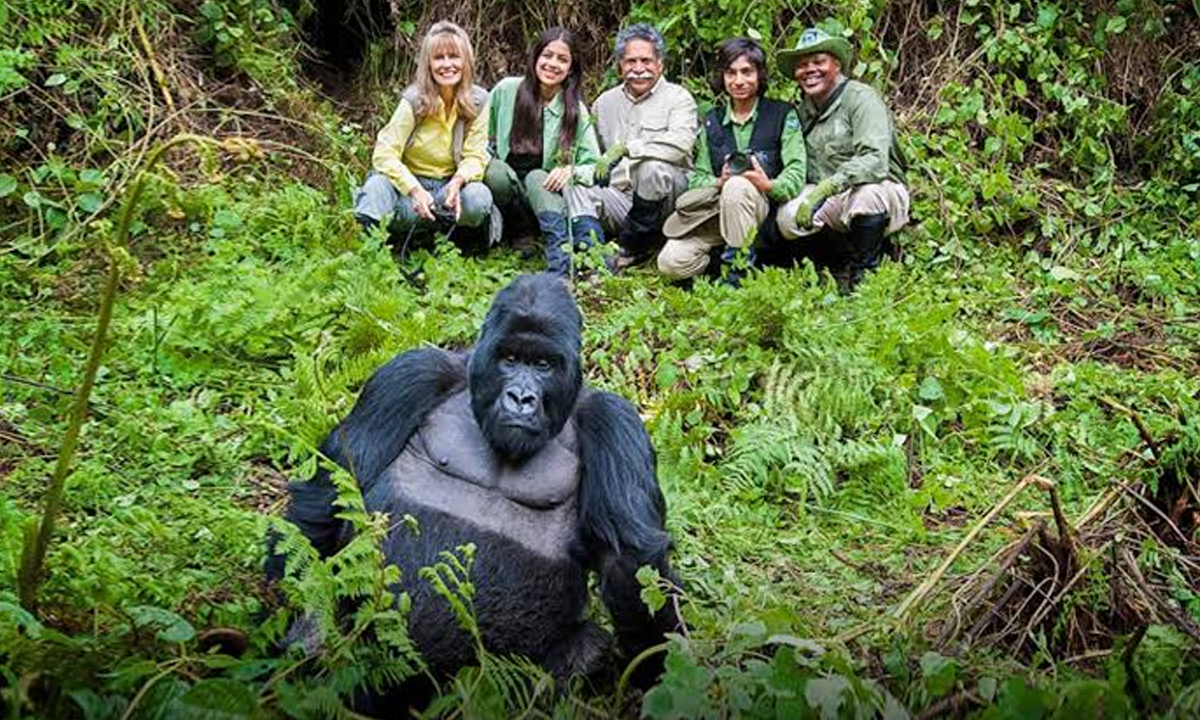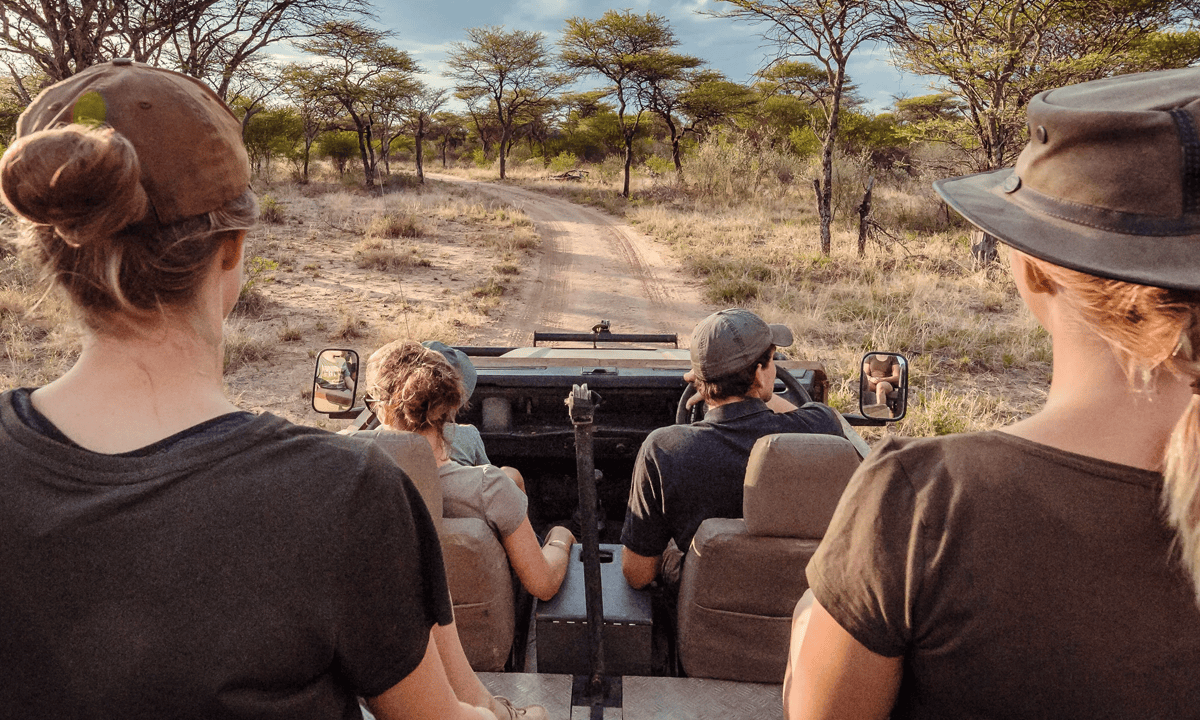
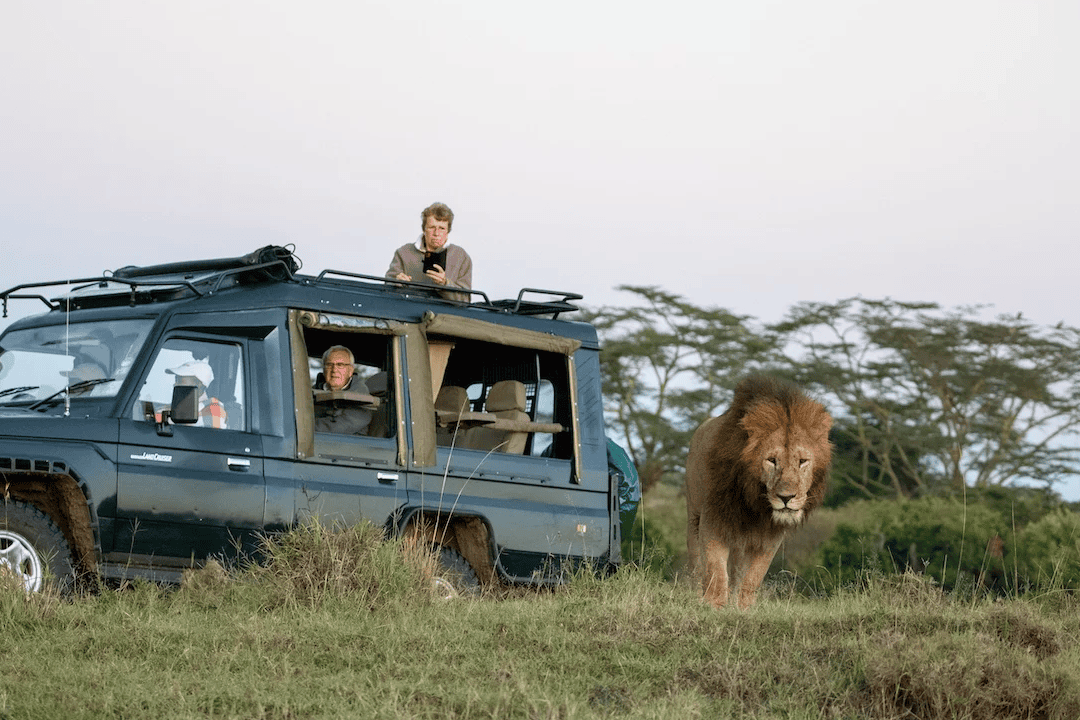
The travelers who go on safari in July pay the most, share every sighting with a line of other vehicles, and book their camps nine months in advance. The travelers who go in the off-season pay 30 to 50% less, often have the wildlife to themselves, and frequently come home with better photographs. The off-season is the safari industry’s worst-kept secret, and this guide explains exactly how to use it.
This is not a “when to go” overview. This is specifically about the off-season: what it saves you, what you gain beyond the savings, where it works best, and what trade-offs you accept in exchange for the deals.
What “off-season” actually means
Safari pricing follows demand, and demand follows the dry season. The dry months are peak season because game concentrates around shrinking water sources and the bush thins out, making wildlife easy to spot. Everyone wants to go then, so prices peak.
The off-season, often called the “green season” or “low season,” is the wetter part of the year. Rains green the landscape, water is plentiful, so wildlife disperses, and vegetation grows back. Game viewing requires a bit more patience, and in exchange, prices drop sharply, and the crowds disappear.
Exactly when the off-season falls depends on the region:
- East Africa (Kenya, Tanzania): the long rains from March to May and the short rains from November are the lower-demand windows.
- Southern Africa (Botswana, South Africa, Zambia, Zimbabwe): the green season runs roughly from November to March, when the summer rains arrive.
For a full region-by-region breakdown of seasonal timing, our guide to the best time to visit Africa covers the calendar in detail. This article focuses on why the off-season is worth choosing deliberately.
The financial case: how much you actually save
The savings are the headline reason most travelers consider the off-season, and they’re substantial.
- Lodge and camp rates routinely drop 30 to 50% from peak-season pricing. The same tent that costs $1,200 a night in August might be $700 in March.
- Single supplements are frequently waived in the off-season as camps work to fill rooms, which is a major saving for solo travelers.
- Special offers proliferate: stay-four-pay-three deals, free nights, included transfers, and waived park fees appear far more often when camps have availability to fill.
- Availability opens up at the best camps. Properties that sell out a year ahead for peak season have space in the green months so that you can stay somewhere you couldn’t otherwise book.
The result is that the off-season lets you either save serious money on the same trip, or upgrade to a better camp for the same budget you’d have spent on a mid-tier lodge in peak season. For a clear picture of how seasonality drives the numbers, our guide to low season safari pricing breaks down exactly what moves the price.
The hidden benefits beyond the price
The savings get travelers in the door, but the off-season’s real advocates stay for the experience itself, which is genuinely better in several ways.
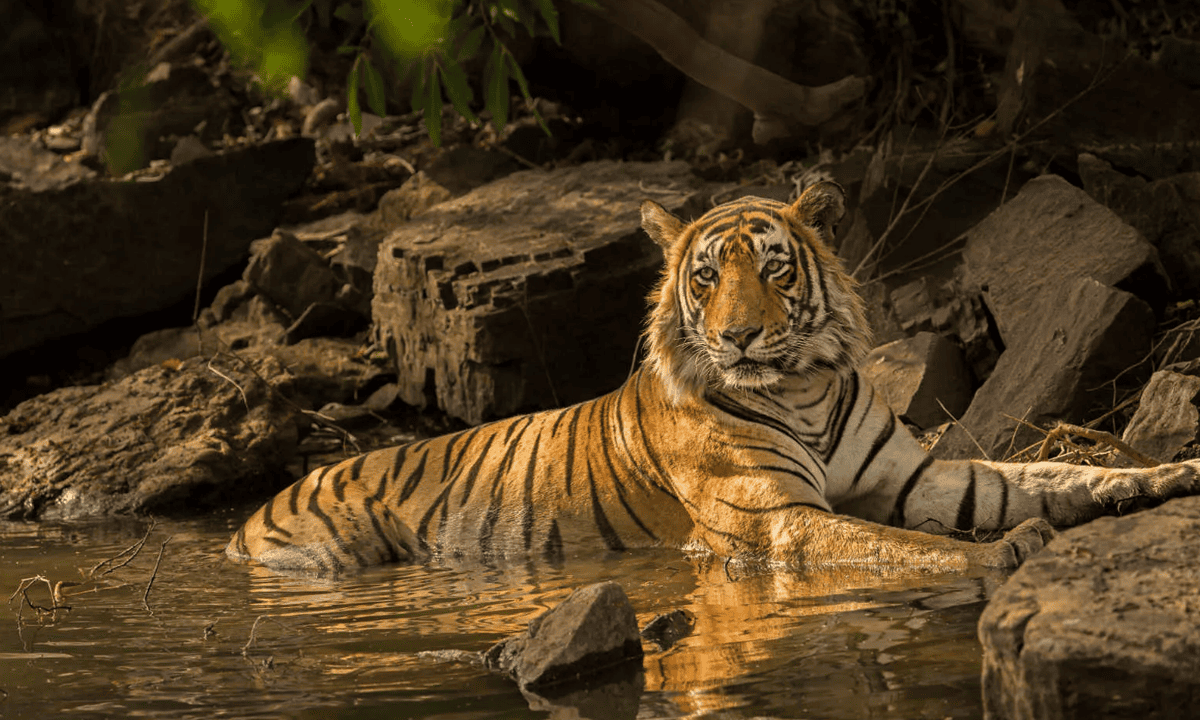
Fewer crowds, better sightings. This is the big one. In peak season, a leopard sighting in a popular reserve can draw a dozen vehicles. In the off-season, you might have that same leopard entirely to yourself. Fewer vehicles means less disturbance to the animals, more natural behavior, and a far more intimate experience. For many travelers, this alone justifies the off-season.
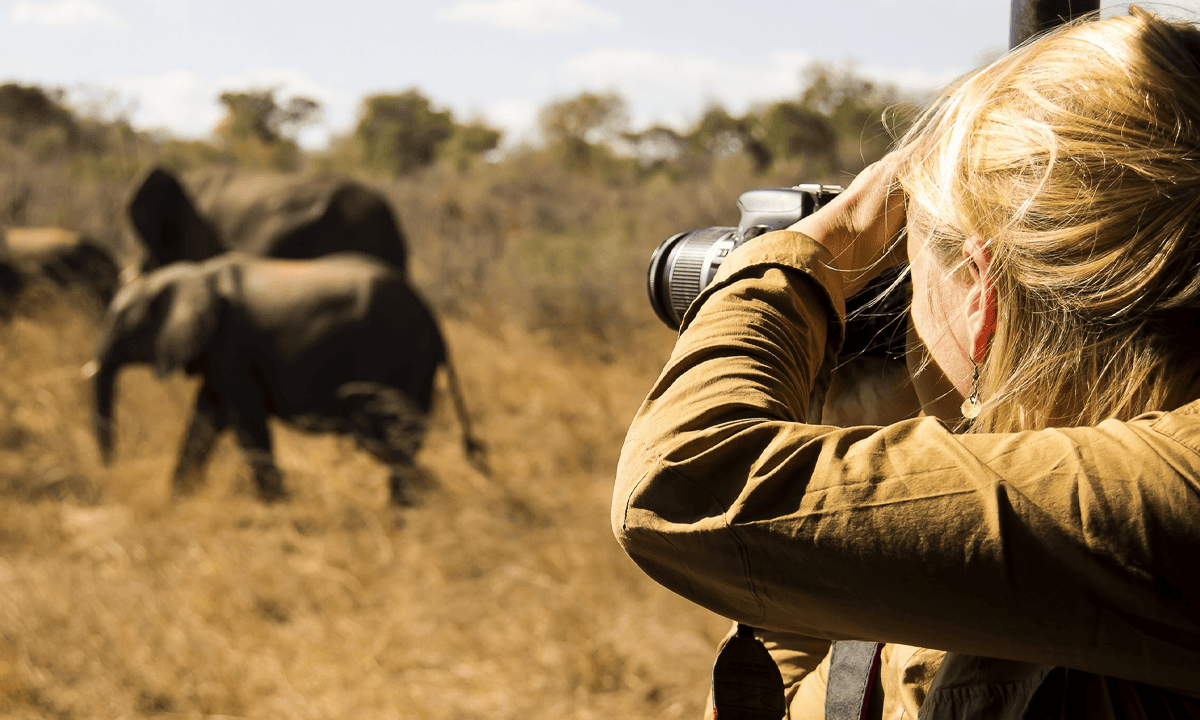
The landscape is stunning. The green season transforms the bush. Brown dust becomes brilliant green, skies fill with dramatic thunderheads, and the light, especially the hour after a storm, is the kind professional photographers plan entire trips around. Peak-season safari photos are often hazy and dust-colored; green-season photos are lush and saturated.
Newborn animals everywhere. The rains bring the calving season. In the southern Serengeti and Ndutu, this is when hundreds of thousands of wildebeest give birth, which in turn brings intense predator activity. Across the continent, the green season is baby season, and watching newborn animals (and the predators that follow them) is a highlight unique to this time of year.
Spectacular birding. Migratory bird species arrive in the green season, and resident birds come into breeding plumage. For anyone with even a passing interest in birds, the off-season is dramatically richer, with hundreds of additional species present and active.
A more relaxed pace. Empty camps mean more attentive service, a more personal relationship with your guides, and a calmer atmosphere overall. The whole experience feels less like a peak-season production line and more like a private wilderness retreat.
Off-season Kruger: a strong example
South Africa’s Kruger National Park is one of the best places to understand the off-season advantage, because its green season (roughly November to March) delivers real benefits with manageable trade-offs.
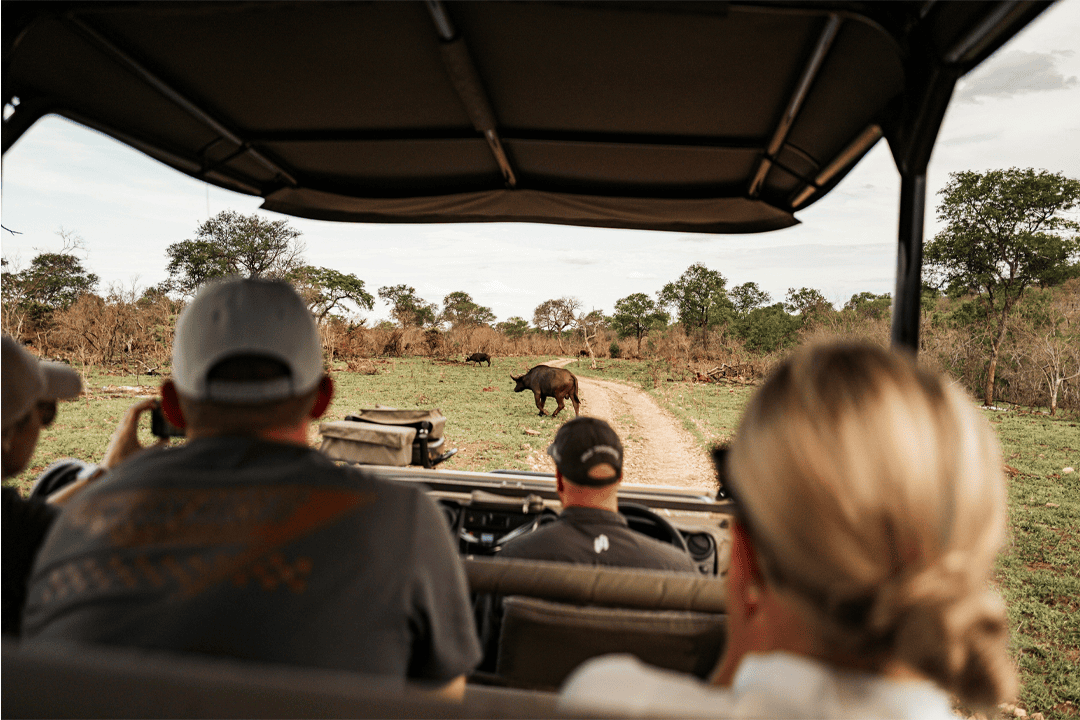
In the green months, Kruger comes alive: the bush turns green, impala and other antelope drop their young, predators are active, and the birding is exceptional with migratory species present. Rates at the private reserves bordering Kruger drop from peak levels, and availability opens up at lodges that are hard to book in the dry season. The summer heat and afternoon thunderstorms are real, but game viewing remains strong, and the combination of lower prices, fewer vehicles, and a lush landscape makes an off-season Kruger safari one of the best-value wildlife experiences in Africa.
Kruger also has a practical advantage for off-season travel: its excellent road network and infrastructure mean the rains rarely disrupt access the way they can in more remote, road-light destinations. You get the green-season benefits without the access headaches.
The honest trade-offs
The off-season isn’t a free benefit with no cost. Being clear-eyed about the trade-offs is the difference between a great-value trip and a disappointing one.
Game viewing takes more patience. With water available everywhere, wildlife disperses rather than concentrating at a few water sources. You’ll still see plenty, but sightings can require more time and a better guide. If your single goal is to tick off the Big Five as fast as possible, peak season is more efficient.
Tall grass reduces visibility. The lush vegetation that looks beautiful in photos also hides animals. Spotting a lion in long green grass is harder than spotting one against dry, short cover.
Rain happens. Afternoon thunderstorms are common, and some days will be wet. In most regions, the rain comes in short, dramatic bursts rather than all-day drizzle, but you should pack for it and accept that a drive or two may be affected.
Some remote camps close. In the most remote, road-dependent areas (parts of the Okavango, some southern Tanzanian parks), the heaviest rains make access impractical and certain camps close for the season. This is less of an issue in well-infrastructured destinations like Kruger.
Some regions are genuinely better avoided. A few specific parks become difficult or unrewarding at the peak of the rains. A good operator will steer you toward the destinations where the off-season works well and away from the ones where it doesn’t.
The key insight is that these trade-offs vary enormously by destination. The off-season is excellent in Kruger and tougher in remote, road-light areas, which is exactly why destination choice matters so much for an off-season trip.
Don’t skip travel insurance.
The off-season makes travel insurance more important, not less. Weather-related flight delays and disruptions are more likely in the rainy months, particularly with the light-aircraft transfers that safari trips depend on. Comprehensive coverage protects you against delays, cancellations, and the medical realities of traveling in remote areas.
This is true year-round, but the off-season’s higher weather variability makes it especially worth sorting out. Before any safari, arranging travel insurance for your safari that covers trip disruption and remote-area medical evacuation is simply part of planning the trip properly.
Who should book an off-season safari?
The off-season is an outstanding choice for:
- Budget-conscious travelers who want a quality safari for meaningfully less money
- Photographers who want lush landscapes, dramatic skies, and the best light
- Repeat safari-goers who’ve already done the peak-season Big Five rush and want a quieter, more atmospheric experience.
- Birders, for whom the green season is simply the best time to go
- Solo travelers, who benefit from waived single supplements
- Anyone who values solitude and would rather have a sighting to themselves than share it with a crowd
It’s a less ideal choice for first-timers whose single priority is maximum game density on a short trip, or for travelers visiting remote, road-dependent regions at the peak of the rains. For everyone else, the off-season is one of the smartest ways to plan a safari.
Ready to plan an off-season safari?
The off-season trades a little patience for lower prices, empty sightings, lush landscapes, and newborn wildlife. Chosen well, with the right destination and realistic expectations, it delivers a safari that’s not just cheaper but genuinely better in the ways that matter most to many travelers.
Reach out to start planning. We’ll match the right off-season destination to what you want, steer you away from the regions where the rains don’t work, and find the deals that make the off-season such good value.