Most safari disappointments trace back to two decisions made early and casually: picking dates without understanding what the seasons actually change, and picking a tour company on price alone. Everything else about a safari (the lodges, the parks, even the wildlife) tends to work itself out if those two decisions are made well, and tends to go wrong if they aren’t.
This guide walks through both decisions in order: how to think about timing, and how to evaluate the company you’re trusting with a five-figure trip on another continent.
Decision one: timing
Stop asking “when is the best time” and start asking “best for what”
The single most common planning mistake is treating the best time for an African safari as a fixed answer. It isn’t. The dry season and the green season are both “best” for different trips:
- Dry season (roughly June to October in most regions): game concentrates around shrinking water, vegetation thins, and sightings come easy. This is the best time for first-timers who want maximum wildlife per game drive, and it’s when the Great Migration is in the Maasai Mara. It’s also peak pricing and peak crowds.
- Green season (the rainy months, varying by region): lush landscapes, dramatic skies, newborn animals, migratory birds, rates 30 to 50% lower, and sightings you often have to yourself. Best for photographers, birders, repeat travelers, and anyone who values solitude over efficiency.
Neither is wrong. The question is what you’re optimizing for: density, or atmosphere and value.
The regional layer
The second timing mistake is assuming Africa has one calendar. The best time to visit Africa depends entirely on where in Africa:
- East Africa (Kenya, Tanzania): dry seasons roughly June to October and January to February, with the migration’s river crossings mid-year and the calving spectacle early in the year.
- Southern Africa (Botswana, South Africa, Zambia, Zimbabwe): dry winter from about May to October, which also happens to be when the Okavango Delta’s flood peaks, an inverted quirk worth knowing.
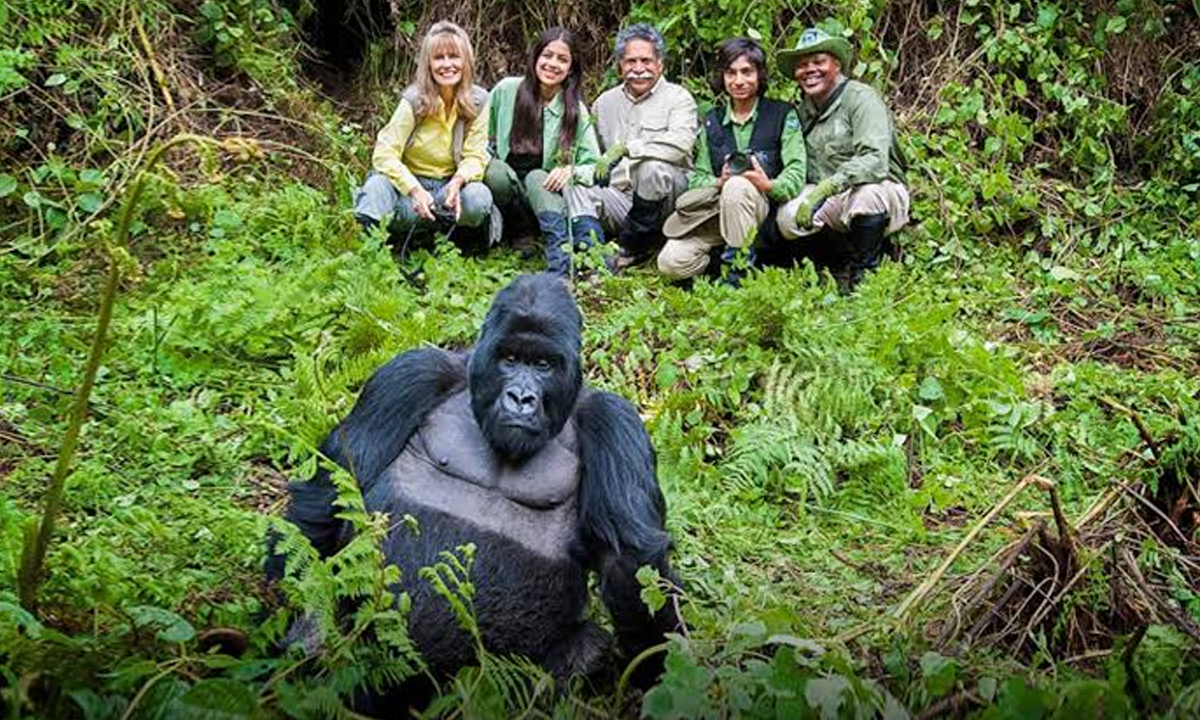
- Gorilla trekking (Uganda, Rwanda): possible year-round, easier underfoot in the drier windows.
If your dates are fixed (school holidays, a wedding anniversary), work backward: choose the region whose calendar matches your window rather than forcing your preferred region into the wrong months. This is where most African safari planning goes sideways, and it’s avoidable. For the full month-by-month, region-by-region breakdown, our guide on when to go on an African safari covers every major destination’s calendar in detail.
Book backward from the season
One practical consequence of timing: lead times. Peak-season camps in the Mara, the Delta, and Sabi Sands sell out 9 to 12 months ahead. Green-season trips can often be booked 2 to 4 months out and come with deals. Decide your season first, then let it set your booking clock.
Decision two: the tour company
Why this decision carries more weight than the lodges
Here’s the uncomfortable structural truth about the safari industry: you almost never buy a safari directly. You buy it through an operator who selects the camps, arranges every transfer, employs or contracts the guides, and is your only lifeline when a flight cancels or a border crossing snarls. The same lodges appear in brilliant trips and mediocre ones; the operator is the variable.
That’s why “which company” deserves as much research as “which country.”
How to evaluate the best African safari tour companies
Ignore the marketing language; every operator claims passion and expertise. Instead, test for these:
Destination depth, not breadth. An operator who genuinely knows East and Southern Africa will talk you out of bad combinations and steer you toward camps that fit your priorities. Ask a specific question (“which Mara conservancy is best for cheetah in February?”) and judge the specificity of the answer.
Transparent pricing. A trustworthy quote itemizes what’s included: park fees, transfers, meals, drinks, flights. Vague “from” pricing that balloons later is a warning sign. If you want to understand what actually drives safari costs before you compare quotes, learn the cost structure first; it makes every quote easier to judge.
Financial protection and licensing. Confirm bonding or trust-account protection for your payments, and real, checkable references.
Response quality during planning. The way a company treats you before you’ve paid is the best predictor of how they’ll treat you when something goes wrong in the field. Slow, generic, or pushy pre-sale communication doesn’t improve after the deposit.
On-the-ground relationships. The best operators have direct, long-standing relationships with camps and guides, which translates into better rooms, better guides, and real leverage when plans change.
Honesty about trade-offs. This is the big one. A good advisor will tell you what to skip, when a cheaper camp is genuinely better, and when your plan doesn’t fit your dates. If every answer you get is “yes, we can do that,” you’re talking to a salesperson, not an advisor. For what that looks like in practice, read about our safari company and judge for yourself.
Scheduled or tailor-made: the structural choice
Once you’ve shortlisted operators, one structural question shapes the whole trip: do you join a scheduled group departure, or commission a private, custom-built itinerary?
The short version: scheduled trips cost less, run on fixed dates with fixed routes, and suit solo travelers and anyone happy to share the experience. Tailor-made trips cost more and give you complete control over pace, camps, and route, which matters most for honeymoons, families with specific needs, photographers, and multi-country itineraries where connections have to be engineered around you.
Most first-time travelers underestimate how much this choice changes the trip. The full comparison of scheduled vs tailor-made safaris breaks down the cost difference, the flexibility difference, and which travelers genuinely benefit from each.
The planning sequence that works
Pulling both decisions into one practical order:
- Fix your non-negotiables. Dates or flexibility, budget range, must-see priorities (migration? gorillas? Big Five? the Delta?).
- Let the priorities choose the region, and the region plus your dates choose the season. Not the other way around.
- Decide scheduled versus tailor-made based on budget, group, and how much control you want.
- Shortlist two or three operators and test them with specific questions. Judge the specificity and honesty of the answers, not the glossiness of the brochures.
- Book backward from the season’s lead time, with flights, insurance, and visas following once the ground arrangements hold.
Do those five steps in that order, and the rest of the planning (packing lists, camera gear, tipping budgets) becomes detail rather than stress.
Ready to plan?
Timing and company: get those two right and the safari largely takes care of itself. Get them wrong and no lodge, however beautiful, fully compensates.
Reach out when you’re ready to start. Bring your dates, your budget, and your priorities, and we’ll tell you honestly which region and season fit, whether a scheduled or tailor-made trip serves you better, and what we’d skip. That honesty is the whole point of using an advisor instead of a booking engine.