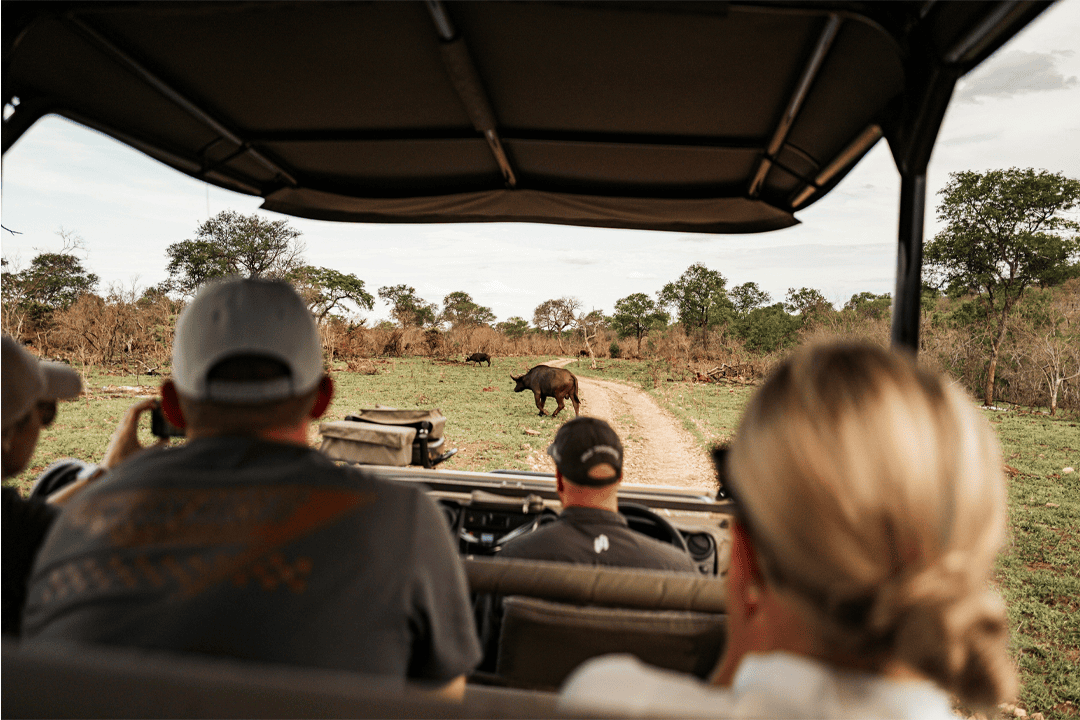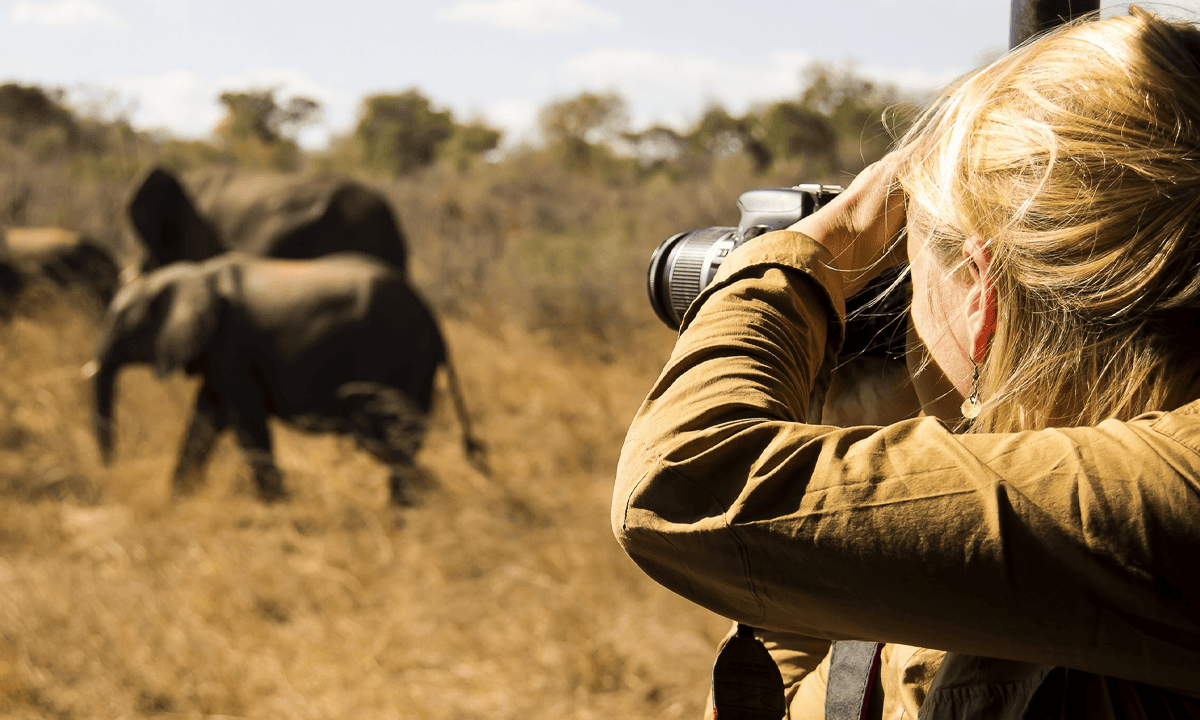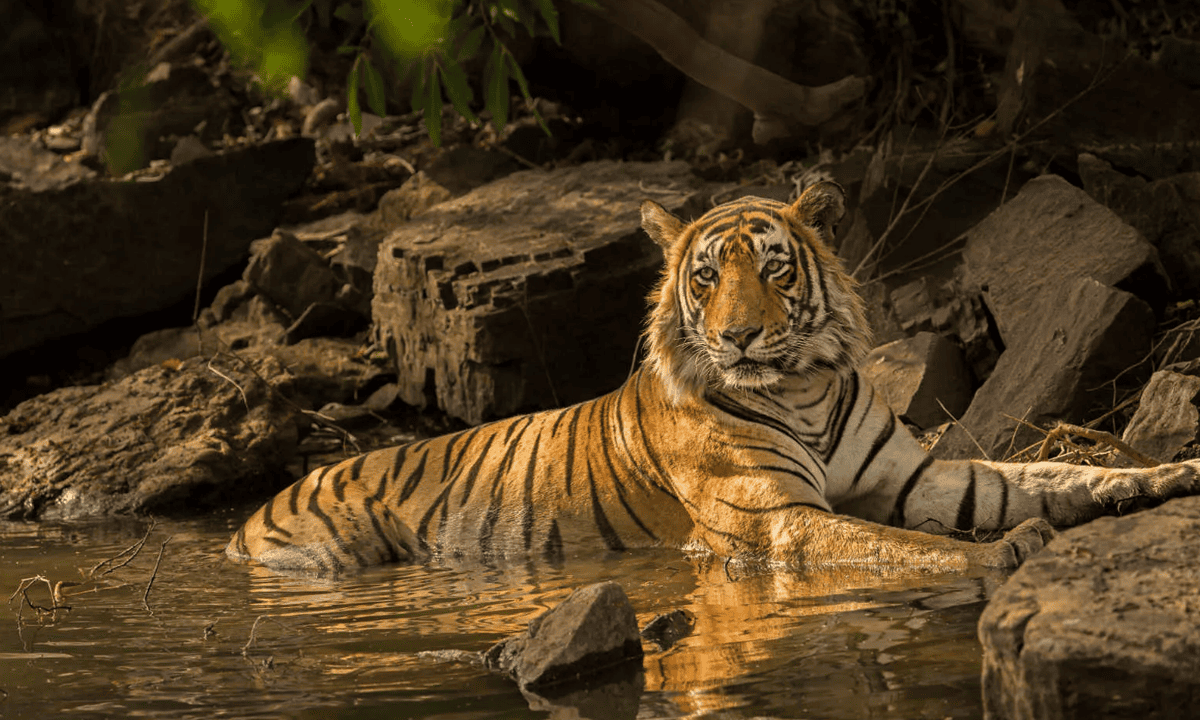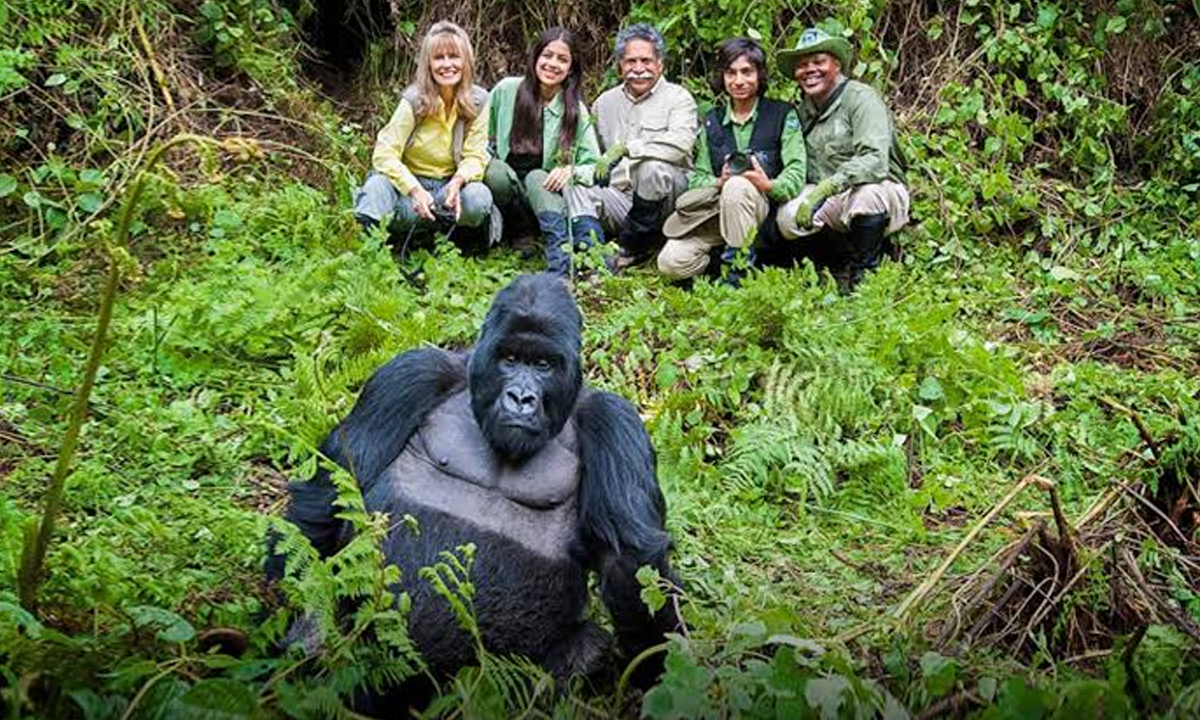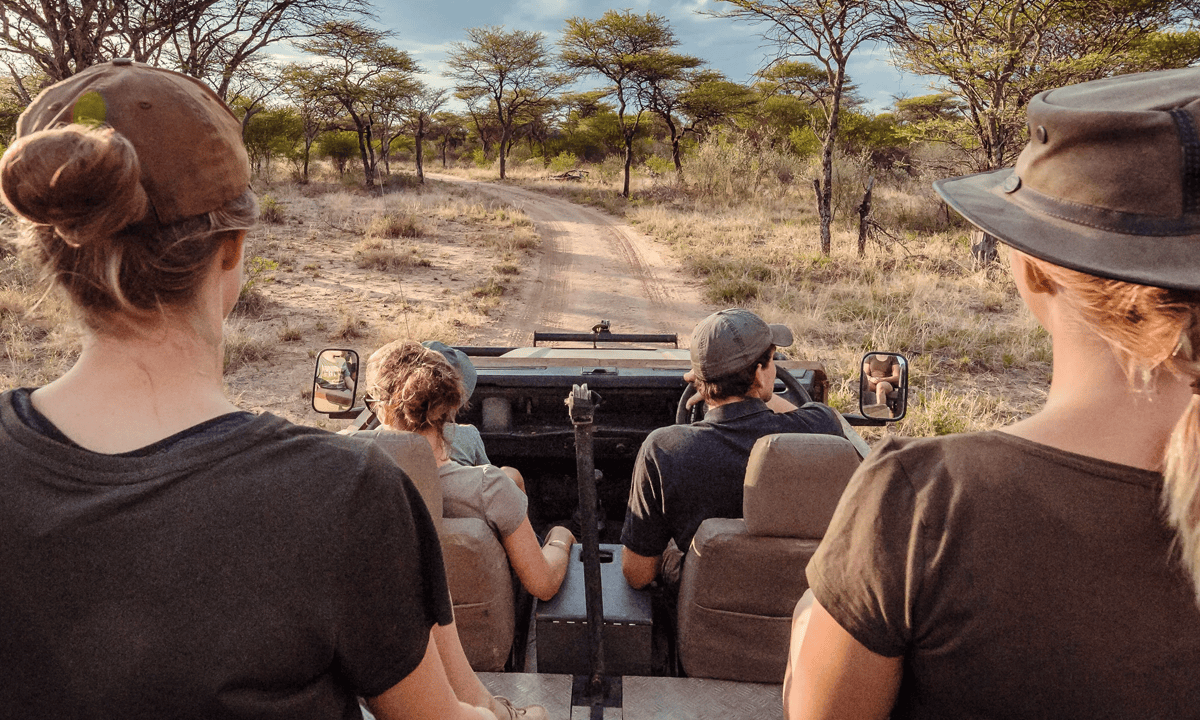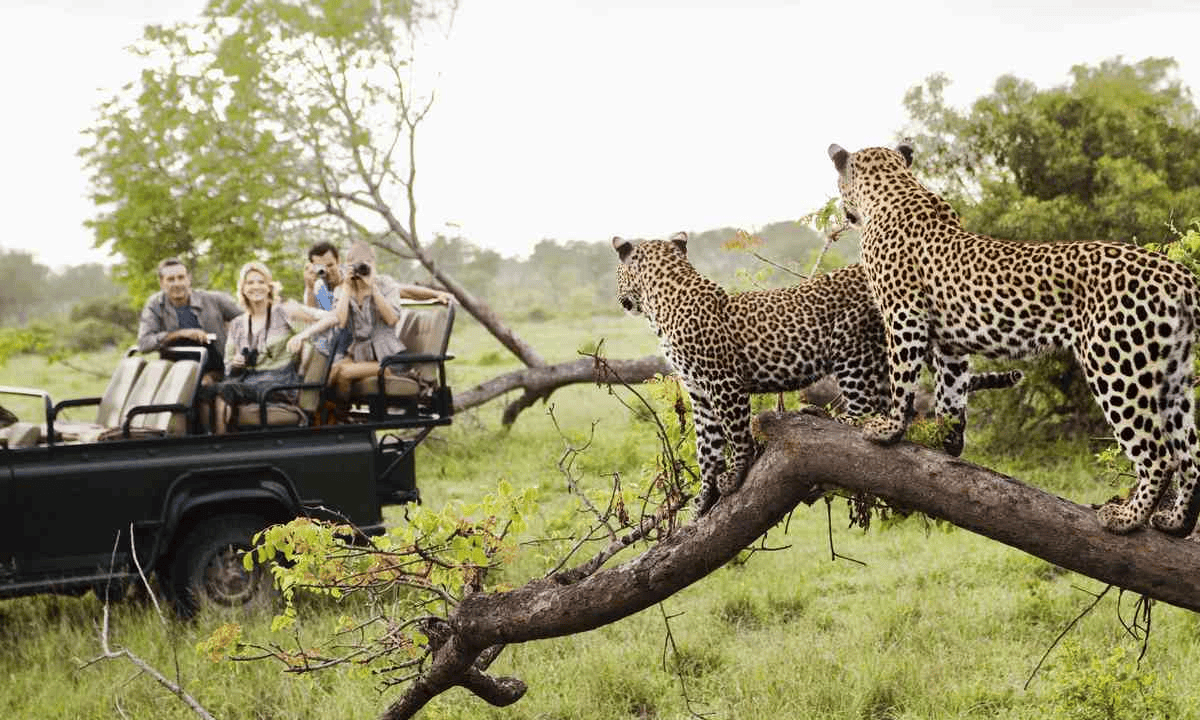

A safari is one of the few trips that works equally well for the two most different kinds of travelers there are: a couple who wants privacy, romance, and champagne at sunset, and a family of five who needs connecting rooms, flexible mealtimes, and a guide who can hold a nine-year-old’s attention. The destination is the same continent; the trips could not be more different.
This guide covers both, honestly: what makes a honeymoon safari extraordinary, what makes a family safari actually work, and the planning details each one lives or dies on.
Part one: the honeymoon safari
Why safari has become the definitive honeymoon
An African safari honeymoon delivers something beach resorts can’t: shared awe. Watching a leopard descend a tree at dusk or drifting over the Serengeti in a balloon at dawn creates the kind of joint memory that a week by a pool simply doesn’t. Add the practical luxuries of the safari world (private plunge pools, candlelit dinners in the bush, outdoor showers under the stars), and it’s easy to see why safari-plus-beach has become the modern honeymoon template.
The rhythm suits honeymooners too. Safari days start early and run on adrenaline; afternoons are for the pool and the siesta; evenings are for sundowners and long dinners. It’s romance with a built-in structure, which is exactly what most couples want after the chaos of a wedding.
Where to go
The strongest honeymoon safari Africa combinations, matched to different couples:
Kenya or Tanzania + Zanzibar. The classic. A week of the Mara or Serengeti’s big cats and migration drama, then a short flight to Zanzibar’s beaches and Stone Town. The safari-to-sand transition is seamless, and it’s the best-value version of the formula.
South Africa: Cape Town + Sabi Sands. The most polished option. Cape Town’s restaurants and Winelands, then the best leopard viewing on the continent in lodges built for couples. Malaria-free reserve alternatives exist for couples planning a family soon. Add the Cape’s beaches or extend to Mauritius or Mozambique for the sand.
Botswana’s Okavango Delta. The exclusive option. Small camps, water-based game viewing, and a level of privacy that makes it the honeymoon choice for couples who want the wilderness largely to themselves. Pair with Victoria Falls for drama. The premium is real; so is the payoff.
The details that make it a honeymoon
A honeymoon safari in Africa succeeds on specifics that ordinary trips skip:
- Tell every camp it’s your honeymoon. Camps genuinely rise to the occasion: private dinners, room upgrades, surprise sundowner setups. This is the industry at its most generous, but only if they know.
- Book a private vehicle for at least part of the trip. Sharing a game drive vehicle with strangers is fine; having your own guide and your own pace is a different experience.
- Two camps, not four. The temptation is to see everything. Resist it. Two or three nights minimum per camp keeps the trip romantic instead of logistical.
- End on the beach, not the bush. Early game-drive mornings are exhilarating and exhausting. Finishing with three or four slow beach days sends you home rested.
- Book far ahead. The best honeymoon suites (the ones with the plunge pools and the views) are the first rooms in any camp to sell out, often close to a year ahead for peak season.
Part two: the family safari
What a family safari really requires
A family safari can be the best trip a family ever takes, but only if it’s built around the children rather than adjusted for them afterward. The core variables:
Age minimums are real. Many camps and reserves set minimum ages (commonly 6 to 8 for camps, sometimes 12 to 16 for activities like walking safaris), and malaria adds a medical dimension for young children. The single most useful early decision for families with kids under ten is choosing a malaria-free reserve: South Africa’s Madikwe and the Eastern Cape reserves were practically built for this market.
Drive length beats park fame. A child’s tolerance for a game drive is about two to three hours, not the four-to-five-hour marathons serious wildlife watchers love. Family-friendly camps run shorter, more interactive drives, and the best family guides turn tracking, dung identification, and animal calls into a running game. A famous park with a rigid schedule loses to a flexible private reserve every time.
Kids’ programming is a camp feature, not a gimmick. The strongest family camps offer genuine junior ranger programs (tracking lessons, plaster-cast animal prints, bug hunts, archery), family units with connecting rooms, flexible mealtimes, and childminding so parents can take one long drive alone. These features are the difference between a family holiday and supervised endurance.
Pace and downtime. One camp for four nights beats three camps in six. Pools matter more than you think. Build in afternoons with nothing scheduled.
The full checklist (ages, malaria maps, vehicle rules, camp shortlists) runs deeper than one section can, and our family safari planning tips page covers the factors in detail; it’s the right next read for any parent planning seriously.
Where family safaris work best
South Africa is the family champion: malaria-free options, short internal flights, excellent roads, family-specialist lodges, and Cape Town’s non-safari attractions (penguins, the cableway, beaches) as a built-in second act.
Kenya is the best East African family option: child-friendly conservancy camps in the Mara ecosystem, cultural visits that fascinate kids, and the migration spectacle for families with older children.
Botswana suits families with teenagers who will appreciate (and are old enough for) mokoro trips and the Delta’s remoteness; several camps now run dedicated family units.
Family logistics, honestly
Family safari planning is mostly logistics, and two items dominate. First, documentation: several countries (South Africa historically among them) have imposed extra document requirements for traveling minors, such as unabridged birth certificates, so verify current rules for every country on your route well before departure. Second, flights: routing a family to Africa involves long-haul legs, possible overnight connections, and strict small-aircraft luggage limits on safari transfers. Getting the air component right (seats together, sane connection times, soft bags packed to the weight limit) shapes the whole trip’s mood, and our guide to flights to Africa covers the practicalities.
Honeymoon or family: the shared rules
Different as the two trips are, the same principles govern both:
- Fewer camps, longer stays. Romance and children both suffer from constant packing.
- The guide makes the trip. For couples, a great guide creates the magic moments; for families, a great guide keeps the kids enchanted. Prioritize camps known for guiding.
- Private vehicles are worth it. Privacy for honeymooners; freedom to leave when the kids are done for families.
- Book the season deliberately. Dry season for reliability; green season for value, and for honeymoons, the single-supplement-free deals and empty sightings can make it the more romantic choice.
- Tell the camps who you are. Honeymooners get surprises; families get camps that prepare properly. Information is the cheapest upgrade in travel.
Ready to plan yours?
Whether the trip is for two people starting a marriage or five people making a memory the kids will still talk about in thirty years, the formula is the same: the right camps, the right pace, and an itinerary built around who’s actually traveling.
Browse our safari tours for structured starting points, or reach out to build the trip from scratch. Tell us who’s going and what matters most; we’ll match the camps, seasons, and pace to your trip, and flag the details (age rules, documents, room configurations) before they become problems.