East Africa is where the modern safari was born, and it remains the region most travelers picture when they imagine Africa: golden grasslands stretching to the horizon, a lion pride on a rocky outcrop, the dust of a million wildebeest on the move. Kenya and Tanzania anchor the region, with Uganda and Rwanda adding mountain gorillas found nowhere else on Earth.
This guide maps the region’s key destinations, the wildlife each one delivers, and how to build an East African itinerary around what you most want to see.
The East African safari landscape
What sets a safari in East Africa apart from the rest of the continent comes down to three things.
First, the ecosystems are open. The Serengeti-Mara plains are vast, treeless in stretches, and made for visibility: you see wildlife at a distance and in numbers that closed bushveld can’t match. Second, the region hosts the Great Migration, the largest overland animal movement on the planet. Third, the cultural dimension runs deeper here than almost anywhere else in safari Africa, with the Maasai and Samburu peoples living alongside the wildlife areas their ancestors have shared for centuries.
The region rewards both first-timers, who get the highest wildlife density per game drive anywhere, and returning travelers, who can go deeper into the quieter corners.
Kenya: the classic circuit
Kenya is the most accessible entry point to the region, with mature parks, strong infrastructure, and options at every budget.
- Maasai Mara. The country’s flagship: exceptional big cat viewing year-round and the Kenyan stage of the Great Migration from roughly July to October. The private conservancies bordering the reserve (Mara North, Olare Motorogi, Naboisho) add off-road driving, night drives, and far fewer vehicles.
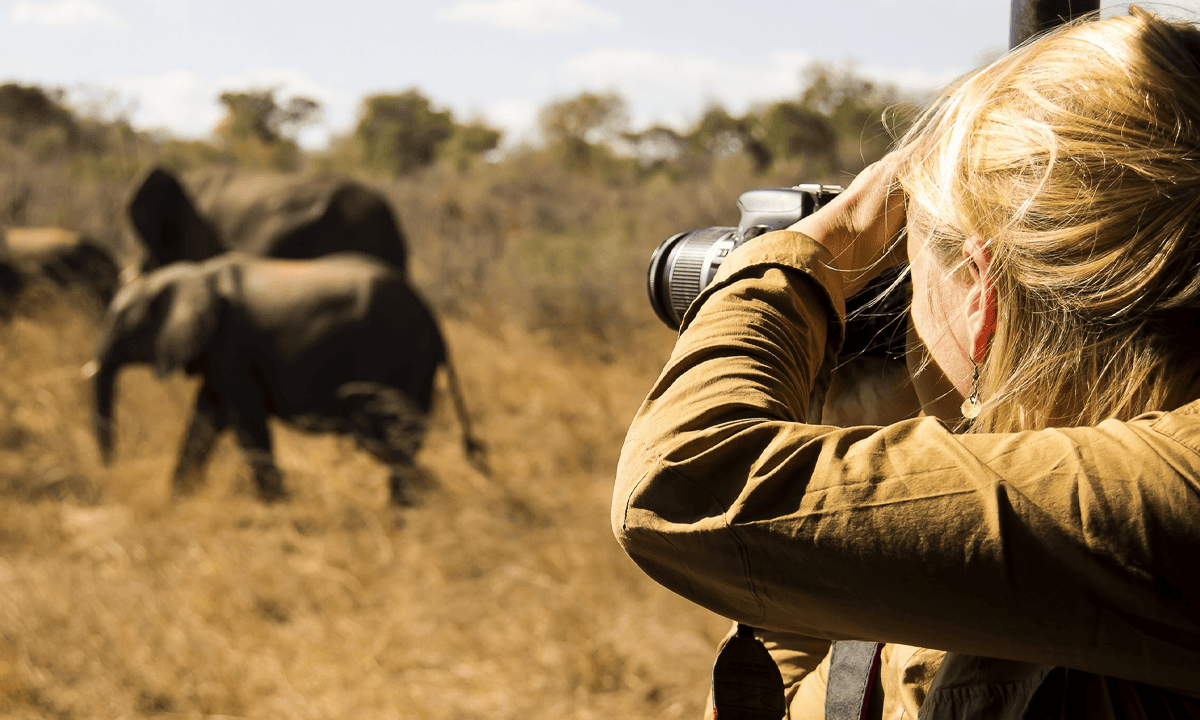
- Big elephant herds beneath Mount Kilimanjaro—the most photographed backdrop in Africa.
- The arid north, with species found nowhere further south: reticulated giraffe, Grevy’s zebra, gerenuk, Beisa oryx.
- Lake Nakuru and Laikipia. Rhino strongholds, with Laikipia’s conservancies leading some of the continent’s most important conservation work.
Tanzania: the big landscapes
Tanzania is home to the region’s most famous names and its largest wilderness areas.
- The southern half of the migration ecosystem. The calving season on the southern plains (roughly January to March) concentrates hundreds of thousands of wildebeest births and the predators that follow, while the northern Serengeti hosts dramatic river crossings mid-year.
- Ngorongoro Crater. A collapsed volcanic caldera holding one of the densest year-round game concentrations anywhere, including Tanzania’s most reliable black rhino sightings.
- Baobab country with a strong dry-season elephant gathering and a fraction of the Serengeti’s vehicles.
- The southern circuit (Nyerere and Ruaha). Vast, remote, and lightly visited. The choice for travelers who want wilderness scale over famous names.
For many travelers, a safari in Tanzania paired with Kenya in a single journey is the definitive East African trip: Amboseli’s elephants, the crossing at Namanga, Tarangire, Ngorongoro, and the Serengeti in one continuous route, optionally finishing on Zanzibar’s beaches.
Uganda and Rwanda: the gorilla dimension
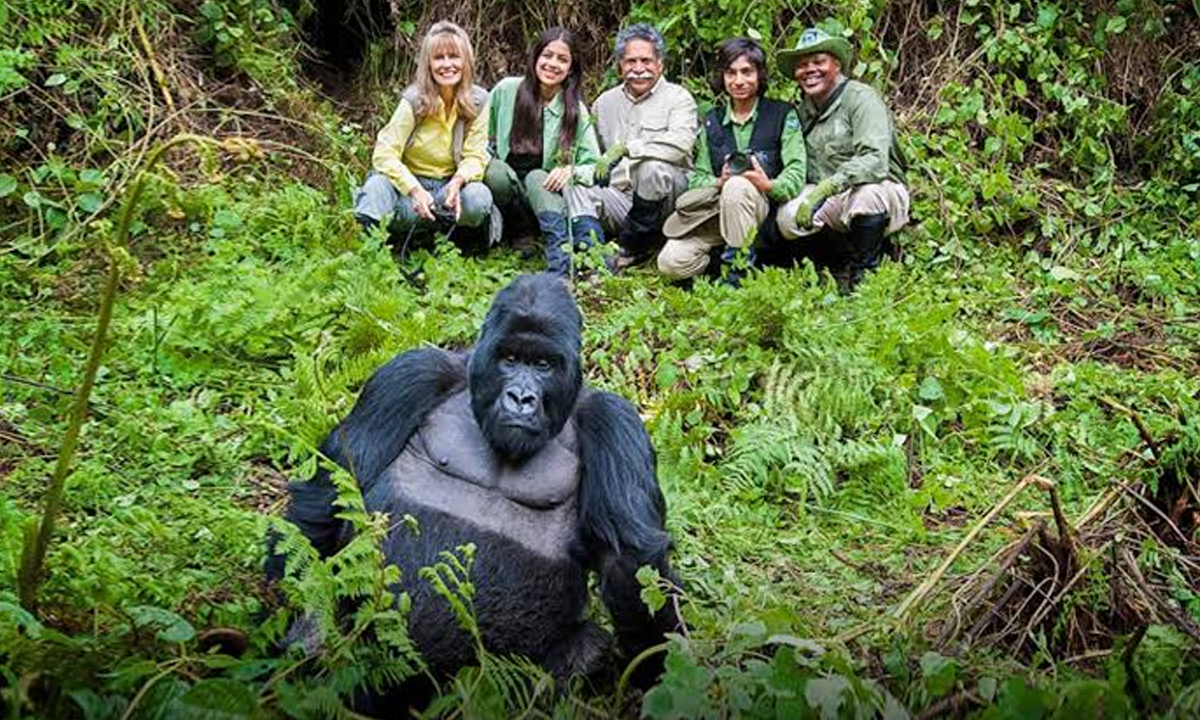
No other safari region can add what Uganda and Rwanda offer: an hour with a habituated mountain gorilla family in the forest. Rwanda’s Volcanoes National Park is the more accessible and more expensive option; Uganda’s Bwindi Impenetrable Forest costs less with a typically longer trek. Uganda’s Kibale Forest adds the best chimpanzee tracking in Africa. Either country bolts onto a Kenya-Tanzania itinerary with a short flight, transforming a great safari into a once-in-a-lifetime one.
The Big Five in East Africa
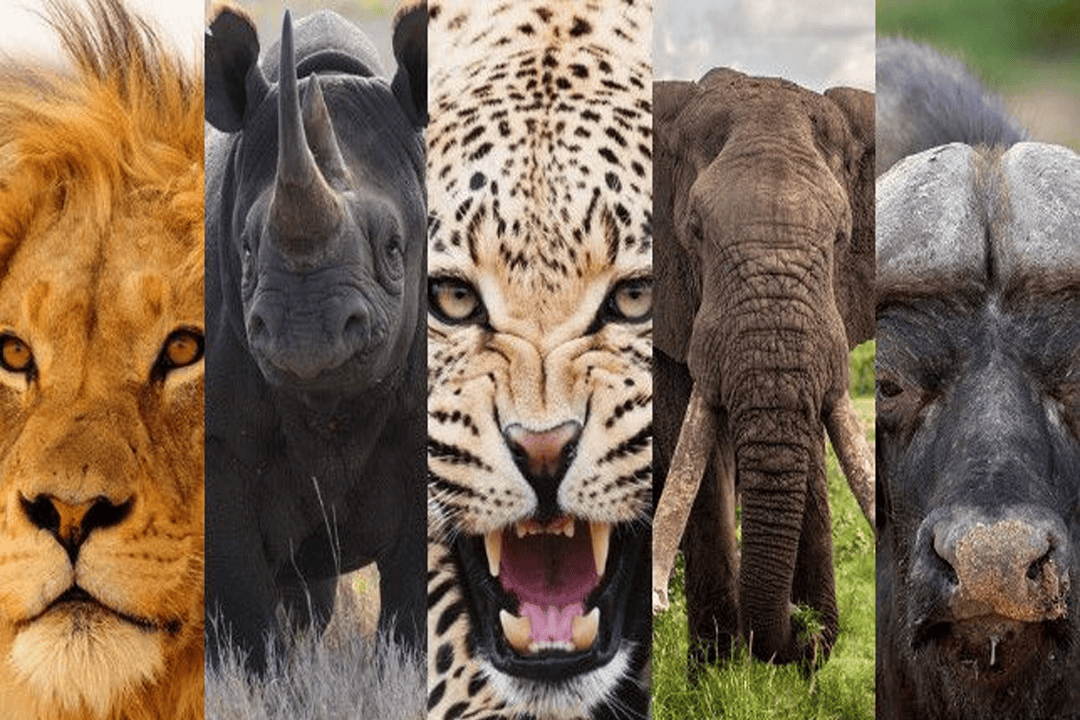
Any regional guide has to address the question first-time travelers ask most: what are the big 5 in Africa, and can you see them all here? The five are lion, leopard, elephant, rhinoceros, and Cape buffalo, a list inherited from the hunting era, when these were considered the most dangerous animals to pursue on foot, and now the informal checklist of safari tourism.
East Africa delivers all five, with one asterisk:
- Lion: the Mara and Serengeti hold some of the highest densities in Africa. The easiest of the five here.
- Leopard: present throughout; the riverine forests of the Mara and the Seronera Valley in the central Serengeti are the reliable zones.
- Elephant: Amboseli and Tarangire are two of the continent’s great elephant parks.
- Buffalo: abundant across every major park in the region.
- Rhino: the asterisk. Rhino sightings in East Africa require targeting specific strongholds: the Ngorongoro Crater for black rhino in Tanzania, and Lake Nakuru or the Laikipia conservancies (especially Ol Pejeta) in Kenya. Build one of these into the route and the full set is very achievable.
A structured Kenya-Tanzania itinerary that includes the Crater or a Kenyan rhino sanctuary gives you a realistic shot at all five, alongside everything else the region offers: cheetahs, wild dogs, hippos, crocodiles, and several hundred bird species.
The Great Migration: timing the region’s signature event
The migration loop runs year-round between the Serengeti and the Mara, so “when should I go?” really means “which chapter do you want to see?”
- January to March: calving season on the southern Serengeti and Ndutu plains. Newborns everywhere, predator action at its peak, and dramatic green-season skies.
- April to June: the herds move north and west through the Serengeti. Quieter, cheaper, wetter.
- July to October: the Kenyan chapter. Herds in the Mara, river crossings at their most dramatic, peak prices and peak demand.
- November to December: the return south, with short rains greening the plains.
There’s no wrong chapter; there are only different trips. Calving season and crossing season are equally spectacular and attract different travelers.
Building your East African itinerary
A few honest structural principles from trips that work:
Give it at least eight days on the ground. The distances are real, and the region rewards depth over box-ticking. A rushed circuit that touches five parks in six days delivers less than four parks in ten.
Match the season to your priority. Crossings mean July to October in the Mara and northern Serengeti; calving means January to March in Ndutu; value and solitude mean the shoulder months.
Mix reserve and conservancy. In Kenya especially, pairing the main Mara reserve with a private conservancy gives you both the famous landscapes and the exclusive, off-road experience.
Consider the add-ons deliberately. Zanzibar for beaches, gorillas for the once-in-a-lifetime hour, Amboseli for the Kilimanjaro backdrop. Each costs days; choose the one that matters to you.
East Africa is one region among several remarkable options on the continent. To weigh it against Southern Africa’s delta-and-desert circuit or more specialist routes, explore all safari destinations side by side. And for the full picture of what the region itself offers, our safari in East Africa destination page covers the parks, seasons, and routes in more detail.
Ready to plan your East Africa safari?
The Mara’s cats, the Serengeti’s herds, Ngorongoro’s crater floor, Amboseli’s elephants under Kilimanjaro, and the option of an hour with gorillas: East Africa remains the region that defines what safari means. The only real decisions are which chapter of the migration you want, and how deep you want to go.
Browse our wildlife tour packages for structured East African itineraries, or reach out to build a custom route. We’ll match the parks, timing, and pace to what you most want from the trip, and we’ll tell you honestly what fits in your dates and what doesn’t.