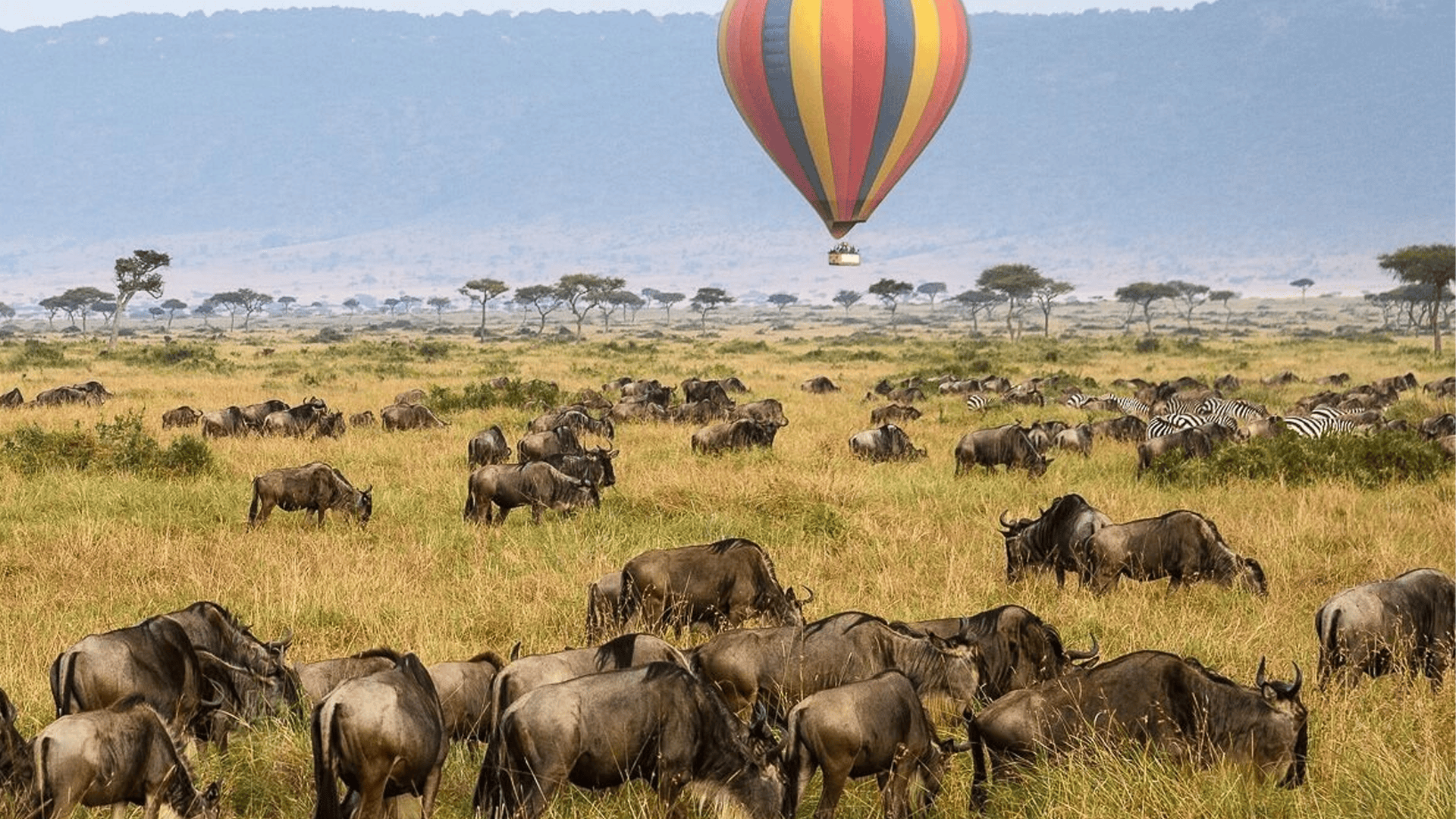
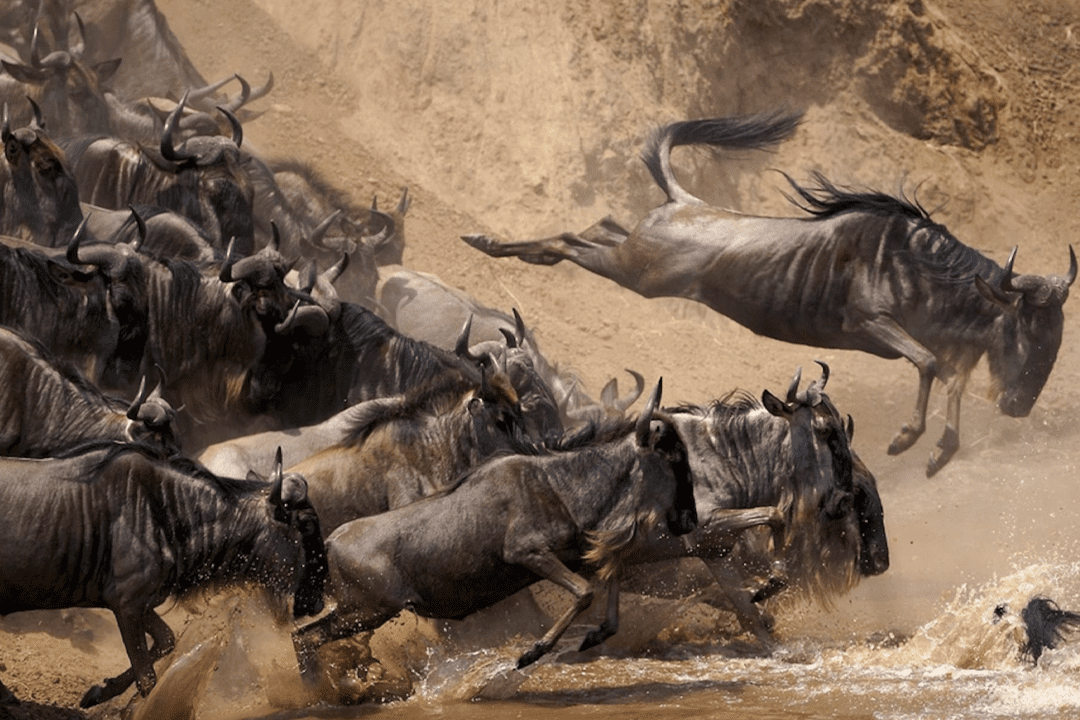
The Great Migration is truly a wildlife spectacle: over a million wildebeest and hundreds of thousands of zebras and gazelles move across the East African plains in search of fresh grass.
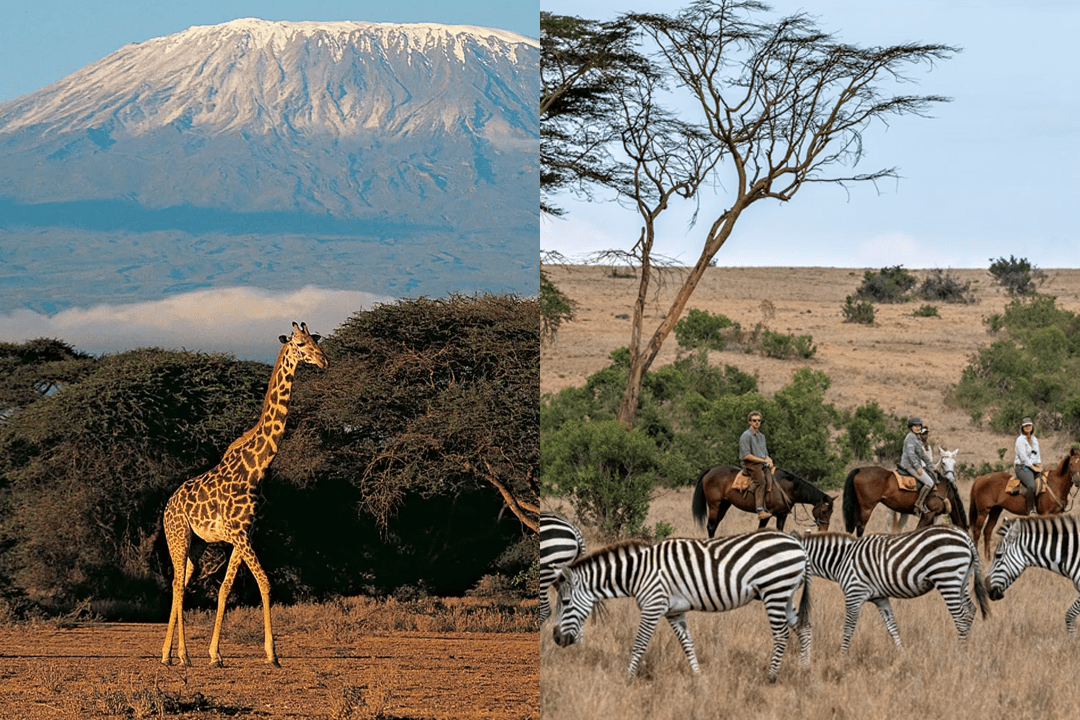
They aren’t alone; tourists of all ages follow along in 4×4 vehicles, hot air balloons, or even on horseback. The journey is long and tough, and predators often hunt the herds along the way. For many travelers, witnessing this drama is part of the adventure and can be the trip of a lifetime. Still, it’s not always easy for visitors. They may spend hours on crowded buses in the heat, watching as wildebeest fall to predators. It’s a raw and sometimes shocking sight, but many people say it’s something you have to see at least once.
Whether you are planning a safari during the Great Migration or simply wish to have a deeper understanding of this phenomenal event and know the best places and times to view it, this post will be invaluable.
What Is the Great Migration?
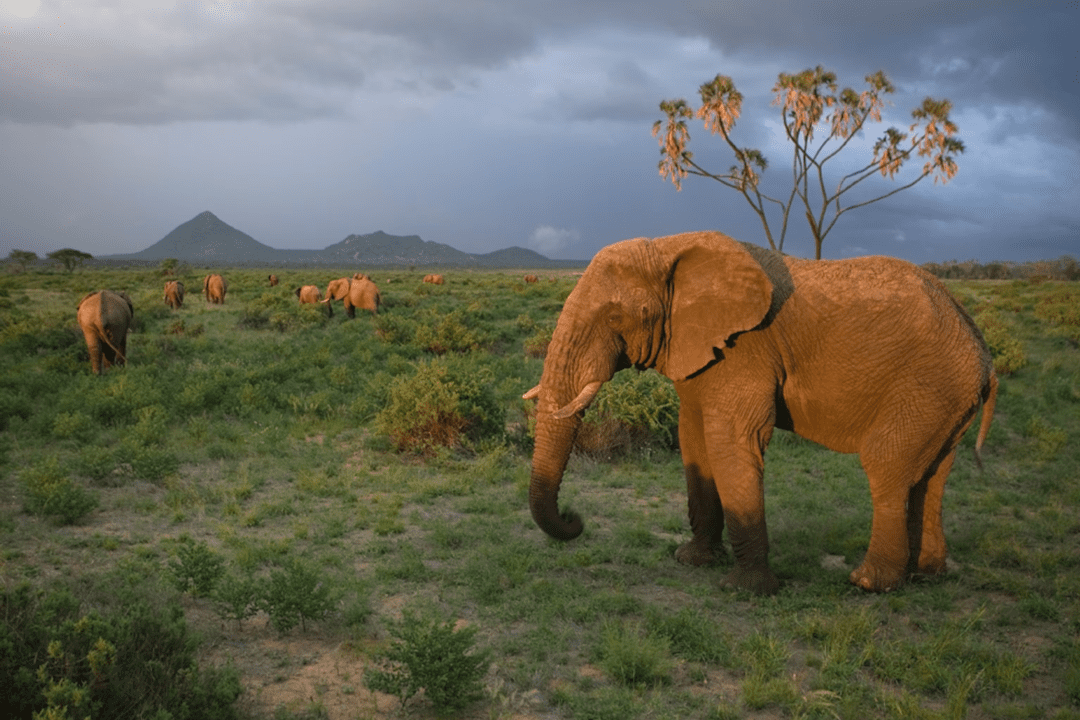
The Great Migration is commonly seen as a seasonal event, but in fact it occurs year-round, as large herds of grazing animals such as wildebeest, zebras, and elephants continually move through the Serengeti-Mara ecosystem in northern Tanzania and southern Kenya in search of pasture and water. The pattern of migration is influenced by differences in rainfall across the area.
The great herds of Africa do not stay in one place for long; they are constantly moving, grazing, having babies, or crossing rivers at any time. It helps to know their current whereabouts and time your safari accordingly.
Where to Watch the Great Migration
Throughout the year, our migration tours operate in both Tanzania and Kenya, offering unique perspectives on this spectacular natural phenomenon.
- It takes place in the Serengeti National Park (Tanzania). In the early part of the year, the southern part of the Serengeti hosts the annual wildebeest calving. Large numbers of wildebeest babies are born within a short period of time.
- Western and Northern Serengeti: As the season continues, the herds travel up to the rivers for their dramatic crossings.
- Maasai Mara (Kenya): By mid-year, the migration is in Kenya, where the most spectacular river crossings occur, including incredible scenes of wildebeest jumping into the water and being grabbed by waiting crocodiles.
We visit many different places, each with its own special highlights. You might see newborn animals, active predators, or large herds of buffalo.
For more on the Kenyan side of migration, please see our Kenya safari guide.
Best Time to Visit
Africa hosts the world’s most spectacular wildlife movement, the Great Migration. Depending on your preferences as a traveler, you can witness the spectacle at different times throughout the year at various safari attractions that participate in the event.
- Jan to Mar: Our preferred time to visit the southern part of the Serengeti. It is calving season, and a wonderful time to see newborn calves and the ensuing excitement amongst the predators as they try their luck.
- April to June: Herds begin to migrate through the central and western sectors of the Serengeti.
- Other periods of the year: We also have large herds of plains mourning wildebeest and other species with great river crossings.
- Mobile herds migrate back into Tanzania during the winter months.
There isn’t a single best month for birdwatching. Each month has its own highlights, and birds are always on the move.
Why the Great Migration Is Worth It
It’s hard to describe just how massive this event is, but seeing it in person makes it clear. The herds stretch for miles, dust rises in huge clouds, and predators wait in the grass. Africa’s Great Migration offers many amazing sights, but the most impressive might be the steady rhythm of the herds as they move with the seasons. This pattern has stayed the same for thousands of years.